Two months. That's how long it took Lapaba to go from opening night in Koreatown to earning a spot in the Michelin Guide California. The Korean-Italian pasta bar opened on February 4, 2026. By March 25, Michelin inspectors had already added it to the guide. That velocity is almost unheard of, and it tells you something about the food.
The name is a portmanteau: La Pasta Bar. But the concept stretches far beyond a clever name. Husband-and-wife team Matthew Kim and McKenna Lelah have built a restaurant where bulgogi meatballs share the menu with cacio e pepe rice cakes, where kimchi shows up in Italian suppli, and where tiramisu gets a Korean grain powder makeover. It sounds like it shouldn't work. It does.
The Chefs: Matthew Kim and McKenna Lelah
Kim and Lelah bring serious credentials to this project. Both have ties to Osteria Mozza, Nancy Silverton's landmark Italian restaurant, which means their Italian technique is rooted in one of LA's most respected kitchens.
Kim's Korean background provides the other half of the equation. Growing up between Korean family cooking and professional Italian kitchens, he developed an intuitive understanding of where the two cuisines overlap and diverge. The result at Lapaba is fusion that feels natural rather than forced, with each dish having a clear reason for combining the two traditions.
Eater LA covered the opening with significant attention, and LA Magazine profiled the concept, noting that Lapaba "showcases the power of traditional Italian dishes invigorated by Korean ingredients."
The Menu: Italian Structure, Korean Soul
Lapaba's menu is organized like an Italian trattoria: small plates and starters, pasta, mains, desserts. But the ingredients and flavors draw heavily from Korean cooking. Here's what to order.
Starters
Burrata Con Crema ($16): Satsuma sweet potato, sweet soy, and chili crisp. The Italian cheese meets Korean condiments in a combination that feels obvious in hindsight.
Spicy Tuna Tonnato ($17): Rice chip, confit meyer lemon, and scallion. A playful riff on the Italian tonnato tradition with a Korean heat profile.
Kimchi Suppli ($12): Fontina cheese, Park's BBQ kimchi, and aioli. The classic Roman fried rice ball gets a Koreatown upgrade with kimchi from one of LA's most famous Korean barbecue restaurants. This is the dish most tables order first.
Fried Chicken ($16): Calabrian chili, yuzu ranch, and daikon pieces. Korean fried chicken technique meets Italian chili heat.
Pasta
Cacio e Pepe Rice Cakes ($14): Young and old pecorino on Korean rice cakes instead of pasta. This dish captures the whole Lapaba philosophy in one plate: familiar Italian flavors on an unexpected Korean base.
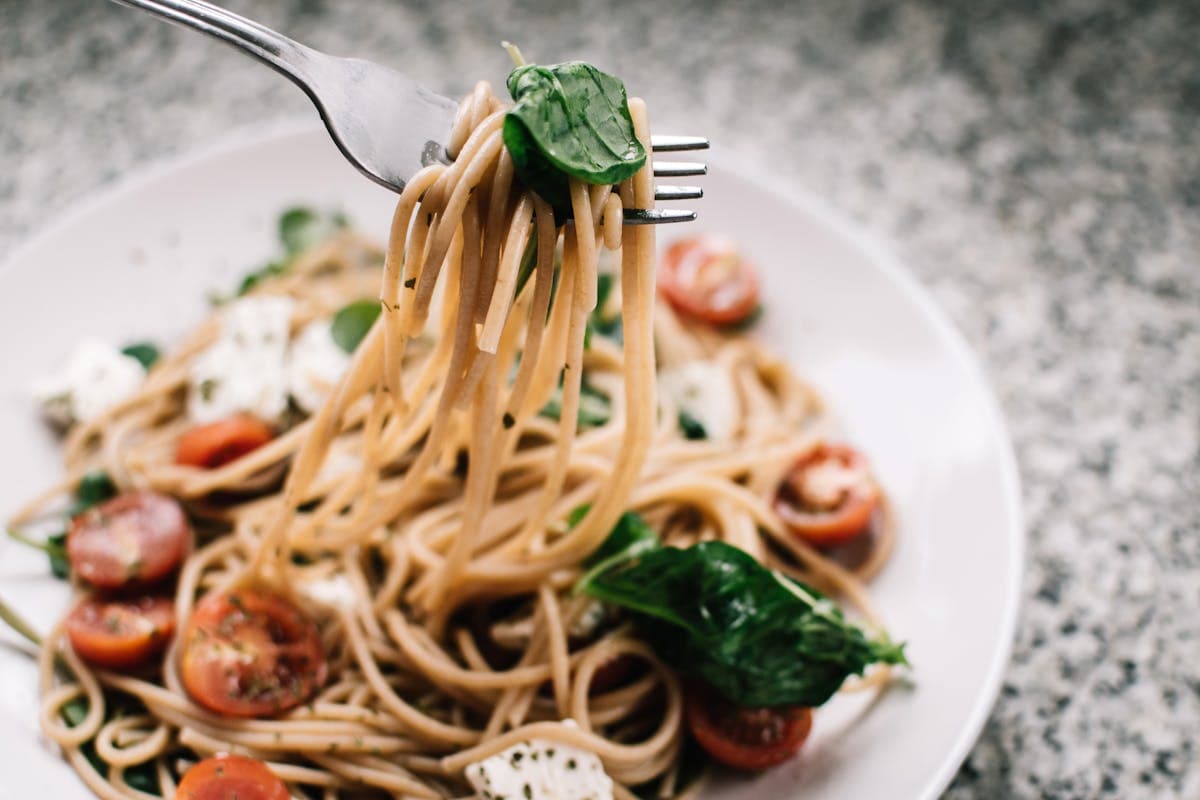
Calamarata & Kimchi: Wide tube pasta with kimchi. The fermented tang of kimchi replaces the acidity you'd typically find in Italian tomato-based sauces.
Corn Agnolotti: Cheesy filled pasta with corn. A sweeter, gentler dish that balances the bolder flavors elsewhere on the menu.
Mains
Bulgogi Meatballs: Served in spicy truffle tomato sauce with milk bread for dipping. Michelin highlighted this as one of the standout dishes, and it's easy to see why. The Korean bulgogi marinade adds a sweetness and depth that Italian-style meatballs don't have.
Korean Fried Chicken with Calabrian Chili: The full-portion version of the starter, dressed up with yuzu ranch.
Desserts
Tiramisu-Garu: The signature dessert riffs on classic tiramisu by incorporating misugaru (Korean roasted grain powder) and makgeolli (rice wine). The nutty, toasted flavor of misugaru transforms a familiar Italian dessert into something new.
Black Truffle Soft Serve: Rich, indulgent, and a fitting end to a meal that never stops surprising.
Drinks
Cocktails lean into the fusion concept with soju-matcha combinations and creative twists on Italian aperitivos. For those who want to go further, the menu offers the option to add Orra caviar (sustainably sourced Siberian sturgeon) as a supplement to select dishes.
The Space and Vibe
Lapaba sits at 558 S. Western Avenue in Koreatown, on the northeast corner of 6th and Western. The dining room is designed for sociability, with most dishes built for sharing across the table. The Michelin guide noted its suitability for solo diners as well, with bar seating that puts you close to the action.
The vibe is contemporary and buzzy without being pretentious. Think Koreatown cool: a neighborhood restaurant that just happens to serve Michelin-recognized food.
The design leans business casual. You won't feel out of place in a nice shirt and jeans, but you also won't feel overdressed in something sharper.
Practical Information
Address: 558 S. Western Ave., Los Angeles, CA 90020
Reservations: OpenTable
Price: $$ (starters $12-$17, pastas $14-$20, mains $18-$28)
Payment: AMEX, Discover, Mastercard, Visa (no cash)
Dress Code: Business casual
Best for: Groups who like to share, couples, solo diners at the bar
How to Get a Reservation
Lapaba takes reservations through OpenTable. Post-Michelin demand has increased, but the restaurant has more capacity than ultra-limited spots like Corridor 109. Weeknight reservations are your best bet if flexibility allows.
Tips
The bar area offers walk-in seating. If the dining room is full, a bar seat gives you access to the complete menu.
Lunch and early dinner slots tend to be easier to book than prime-time Friday and Saturday evenings.
Follow Lapaba on social media for updates on special menus and events.
Who Lapaba Is Best For
Adventurous groups: The sharable format and bold flavors make this ideal for 3-6 people who want to order widely and try everything.
Fusion skeptics: If you've been burned by bad fusion restaurants before, Lapaba will restore your faith. The combinations are grounded in technique, not gimmick.
Koreatown regulars: If you know K-Town and love it, Lapaba adds a new dimension. It's Korean flavors elevated through Italian craft.
Budget-conscious food lovers: At $12-$28 per dish, you can have a Michelin-recognized dinner for two for under $100 (before drinks). That's remarkable.
Date nights: Intimate enough for two, with a cocktail program that keeps the evening interesting.
Not ideal for: Purists who want authentic Italian or authentic Korean (this is deliberately neither). Anyone looking for a quiet, formal dining experience.
What Critics Say
Eater LA gave the opening significant coverage, positioning Kim and Lelah's Osteria Mozza pedigree as a major factor in the restaurant's credibility.
LA Magazine praised the concept's ability to showcase "the power of traditional Italian dishes invigorated by Korean ingredients."
Michelin Guide California added Lapaba in its March 2026 midyear update alongside five other LA restaurants, recognizing the fusion concept's technical precision and flavor balance.
Wallpaper* described it as an "irreverent blend of precision and playfulness," capturing the spirit of a restaurant that takes its food seriously without taking itself too seriously.
FAQ
Is Lapaba fine dining?
It's Michelin-recognized but not formal. The atmosphere is closer to an upscale trattoria than a white-tablecloth restaurant. Expect buzzy, social energy.
What are the must-order dishes?
The kimchi suppli, cacio e pepe rice cakes, bulgogi meatballs, and tiramisu-garu are the dishes that define the Lapaba experience. Order those four and build from there.
How much does dinner cost?
A solid dinner for two with starters, pastas, a main, and dessert will run around $80-$120 before drinks. With cocktails, expect $120-$160 total.
Can I walk in without a reservation?
Bar seating is available for walk-ins and offers the full menu. The dining room takes reservations through OpenTable.
What's the connection to Osteria Mozza?
Both Matthew Kim and McKenna Lelah have ties to Nancy Silverton's Osteria Mozza, one of LA's most respected Italian restaurants. Their Italian technique is deeply informed by that experience.
Is the food actually good fusion, or just gimmicky?
Critics unanimously praise the food as well-executed fusion. The combinations work because both Korean and Italian cuisines share a love of fermentation, umami, and comfort. The technique behind each dish is serious.
How does it compare to other Korean-Italian restaurants?
There aren't many true Korean-Italian restaurants anywhere, which makes Lapaba unique. It's less experimental than high-concept fusion spots and more approachable than fine dining, filling a space that barely existed before it opened.
Is it kid-friendly?
The menu is sharable and the vibe is casual, so older kids who enjoy bold flavors would do fine. It's not specifically designed for families, though.
When reservations are gone
Let Resto Mojo keep checking for the table.
Choose the restaurant, date, party size, and time range. Resto Mojo monitors supported booking platforms and can book when a matching opening appears.