Corridor 109 reservations are currently offered through Tock, not Resy. The restaurant is an extremely small chef's counter hidden behind Bar 109 in Melrose Hill, so a single cancellation can make the difference between a sold-out date and a seat.
Last verified: September 1, 2026. The booking platform, address, chef, tasting-menu format, and reported 7 p.m. seating were verified from current restaurant, Michelin, Tock, and Resy sources. Corridor 109 does not publish a dependable reservation release time, booking window, party-size limit, deposit, cancellation fee, grace period, or walk-in policy on the public pages we could verify.
How to book Corridor 109
Use the official Corridor 109 booking page on Tock. Search your date and party size there rather than relying on an old Resy link or a third-party listing.
The practical sequence is simple:
- Sign in to Tock before checking availability.
- Search every acceptable date, not just Friday and Saturday.
- Keep party size fixed while comparing dates, since a tiny counter cannot absorb many seating combinations.
- If the calendar is sold out, return regularly for cancellations.
- Avoid unauthorized reservation sellers. Use only the restaurant's official Tock page.
Corridor 109 has not published a reliable release cadence that we can confirm. Do not build your plan around an unsupported midnight or morning drop. The safer approach is to check the live calendar and monitor returned inventory.
If you are coordinating several difficult Los Angeles bookings, the Resto Mojo reservation concierge can monitor supported sold-out tables while you keep your dates and times flexible. Browse the Los Angeles restaurant hub for other reservation-focused options.
Why availability is so limited
The Michelin Guide describes Corridor 109 as an intimate 11-seat counter where reservations are essential. Resy's detailed profile reports a 10-seat room and a single 7 p.m. dinner, which shows how limited the operating format is even though the two sources differ by one seat.
That discrepancy is worth stating plainly. What matters for booking is not whether the current layout holds 10 or 11 guests. It is that the restaurant serves roughly one counterful of diners at a time, leaving almost no slack when demand rises.
Chef and owner Brian Baik built the permanent restaurant after pop-ups at his family's Kobawoo House and a Chinatown test kitchen. His menu draws on Korean American roots, Japanese seafood sourcing, and experience in New York kitchens including Sushi Noz. Resy's profile of Baik and Corridor 109 describes an 11-course dinner lasting about two hours.
Best strategy when Tock shows sold out
Check for cancellations with broad filters
Returned tables do not follow a guaranteed schedule. Check more than once, especially as your date approaches, and search early-week nights as well as weekends.
Flexibility is the strongest advantage you control. A range of dates is better than one date, and accepting the restaurant's available seating time is more realistic than searching for a conventional prime-time choice.
Keep your Tock account ready
Complete your profile and payment details before inventory appears. Read every checkout term before confirming, since deposits and cancellation rules can be attached to a specific experience even when they are not visible on the restaurant's public landing page.
Do not assume an old policy still applies. The binding terms are the ones Tock shows during your checkout for that reservation.
Treat Bar 109 as a separate plan
Corridor 109 sits behind sister concept Bar 109 at 641 North Western Avenue, Suite A. Going to the bar does not establish that a tasting-menu walk-in is available, and we could not verify a formal walk-in or standby policy for Corridor 109.
If you want the full tasting menu, secure it through Tock. Do not travel across Los Angeles expecting the bar to convert into a counter seat.
What the dinner is like
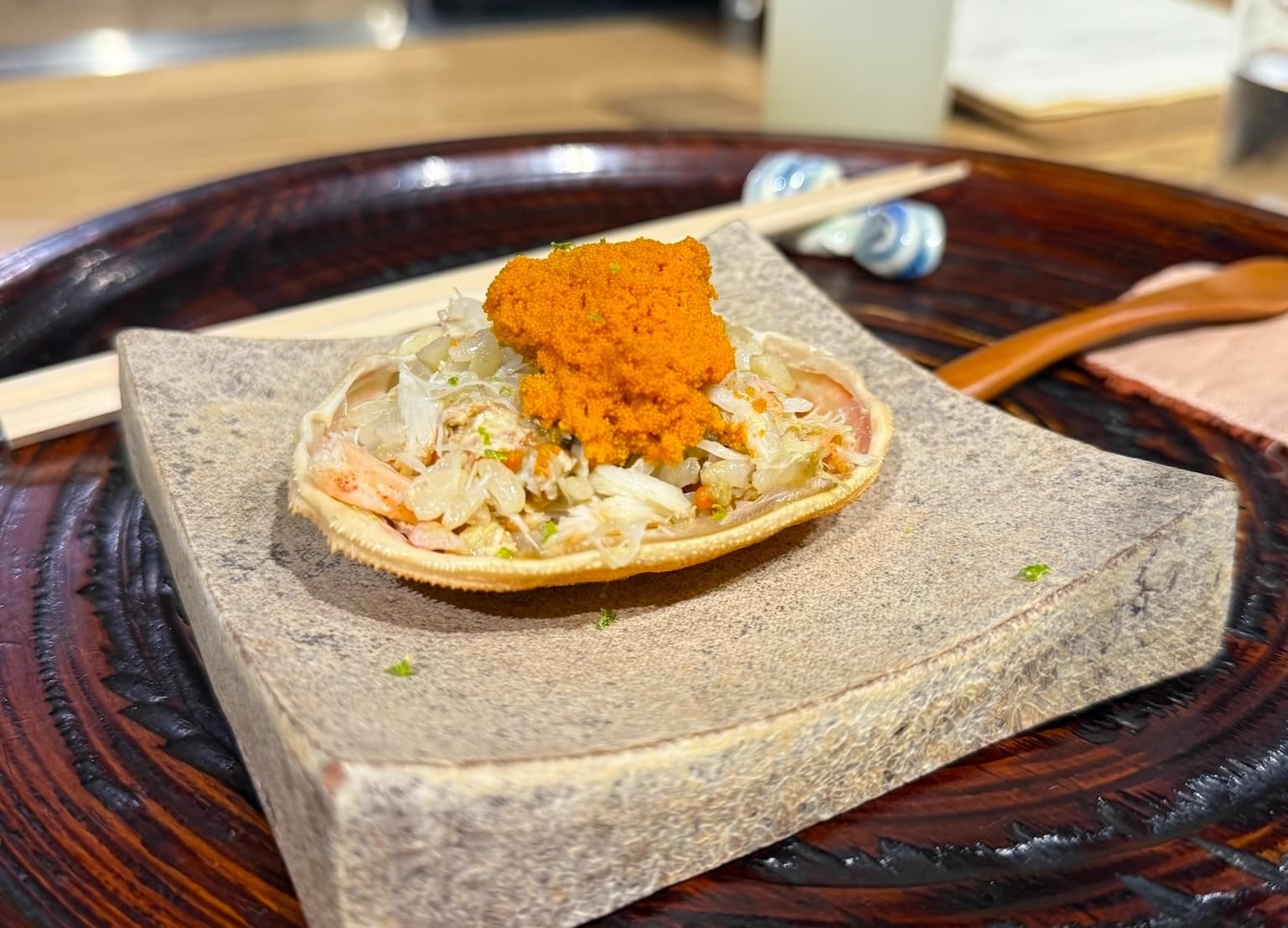
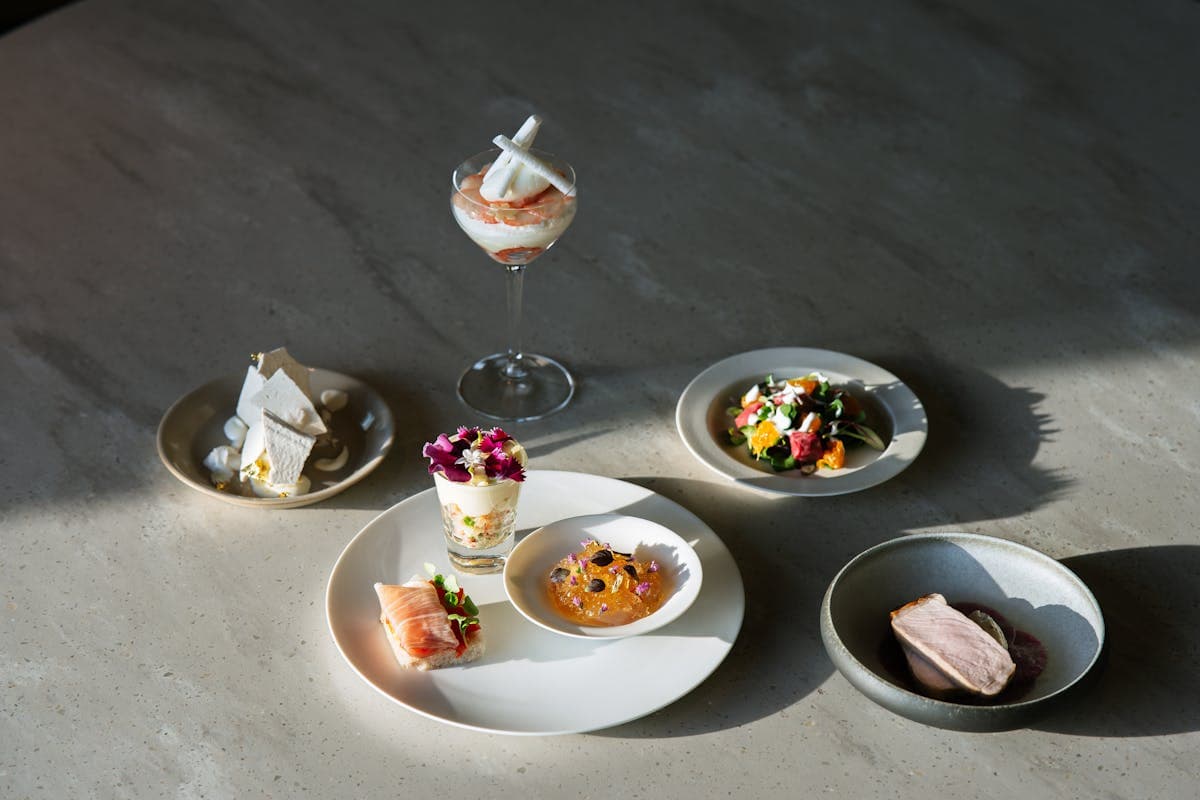
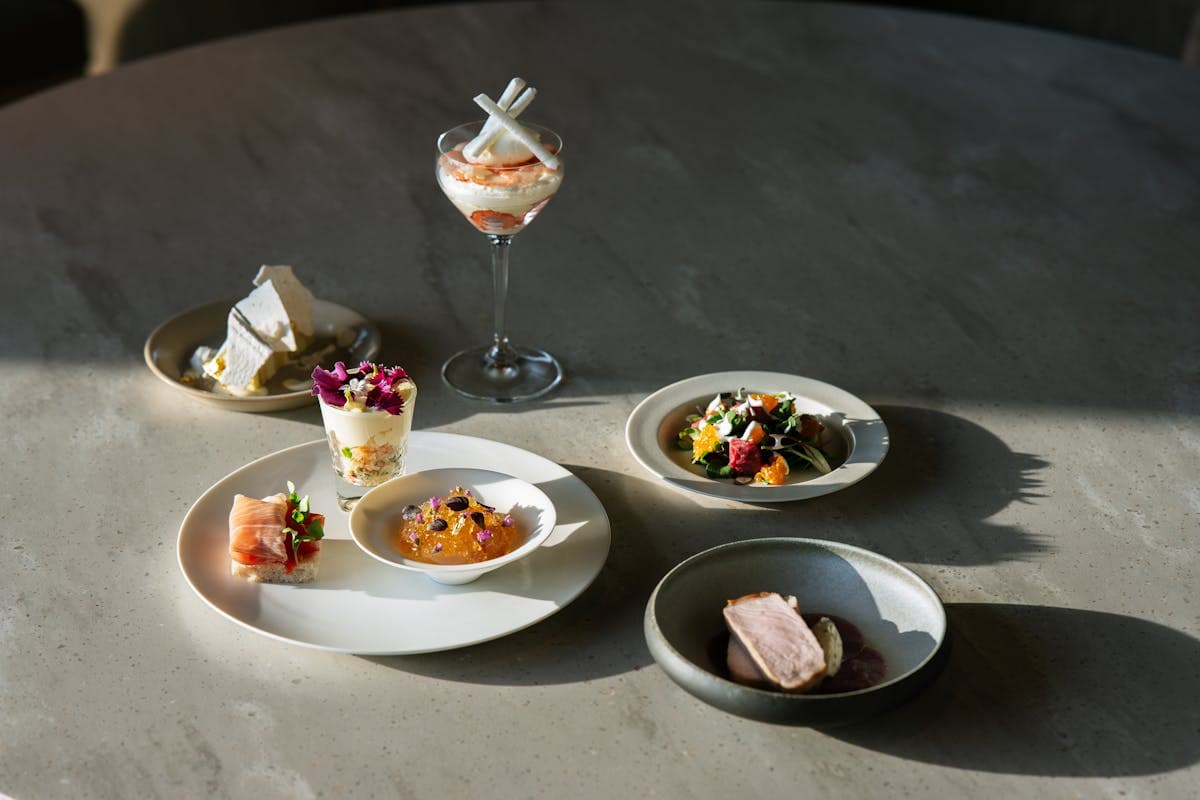
Corridor 109 is not a traditional sushi omakase. Baik uses Japanese seafood, Korean influences, European technique, and California ingredients in a progression Michelin calls balanced and restrained.
Michelin highlights Santa Barbara spiny lobster tartare in a kombu tartlet, miso-marinated sawara cooked over charcoal, and Australian wagyu with oxtail jus and shiso. Resy's reporting also points to Baik's aji toast, with line-caught horse mackerel, aioli, pickled peppers, and house-made milk bread.
The room is part of the appeal. Guests sit close to the open kitchen, and dishes move from the cooks to the counter immediately. This is best for diners who want a focused tasting-menu evening, couples planning a special occasion, or solo diners comfortable at a communal counter.
Practical details
- Address: 641 North Western Avenue, Suite A, Los Angeles, CA 90004
- Neighborhood: Melrose Hill, near Koreatown
- Chef and owner: Brian Baik
- Cuisine: Asian contemporary tasting menu with a seafood focus
- Format: Approximately 10 to 11 counter seats, with one reported 7 p.m. seating
- Booking platform: Tock
- Price: Michelin lists the restaurant as $$$$, but we could not verify a current fixed menu price on the public booking page
- Dress code: No current official dress code was found
- Walk-ins: No current official walk-in policy was found
- Official site: corridor109.com
Check the Tock checkout screen for the current menu price, taxes, service charges, deposit, and cancellation terms before paying. Those details can change and should not be inferred from an older review.
FAQ
When does Corridor 109 release reservations?
Corridor 109 does not publish a release time or booking window on the public sources we could verify. Use the live Tock calendar and monitor cancellations instead of relying on an unofficial drop schedule.
Is Corridor 109 on Resy or Tock?
Tock is the current official booking path. Resy published an editorial profile of the restaurant, but its article links diners to Corridor 109 on Tock.
How many seats does Corridor 109 have?
Michelin says 11 seats, while Resy's profile says 10. Both confirm an exceptionally small counter format, and that limited capacity is the important reservation constraint.
Can I walk into Corridor 109?
We could not verify an official walk-in or standby policy. Book through Tock and treat any bar visit as separate from the tasting-menu reservation.
What should I do if Corridor 109 is sold out?
Search flexible dates and check Tock repeatedly for returned inventory. For supported platforms and restaurants, Resto Mojo can also monitor hard-to-get reservations, but no service can guarantee that a table will appear.
When reservations are gone
Let Resto Mojo keep checking for the table.
Choose the restaurant, date, party size, and time range. Resto Mojo monitors supported booking platforms and can book when a matching opening appears.