Crying Tiger is what happens when a chef with real credibility stops thinking small.
Thai Dang had already earned Chicago's trust at HaiSous Vietnamese Kitchen, where the food-world respect was obvious and the room still felt personal. With Crying Tiger, he takes a broader Southeast Asian frame, a much bigger River North stage, and a design brief built for people who want dinner to feel like the event, not just the pregame.
That larger ambition is what makes the restaurant matter. Eater Chicago's opening report framed Crying Tiger as Dang's first collaboration with Lettuce Entertain You, built around Vietnamese, Thai, and Laotian influences. Chicago Magazine's early review and Time Out's guide make the same practical point: this is one of the most attention-grabbing Chicago openings because the room and the menu both come in loud.
If you are trying to decide whether Crying Tiger is worth chasing as a 2026 River North reservation, the short answer is yes. The more useful answer depends on what kind of night you want.
Why Crying Tiger Matters Right Now
River North has never lacked for dinner options. What it lacks more often is restaurants that feel memorable for reasons beyond convenience, scene, or expense-account familiarity.
Crying Tiger breaks through because it gives the neighborhood a point of view. Instead of generic "Asian fusion" shorthand, Dang uses a wider Southeast Asian lens that pulls from his own background, his travels, and the flavors he wants to bring into a bigger, more social format. Eater's write-up stresses the way the menu moves between Vietnam, Thailand, Laos, southern China, and even eastern India. That range matters because it makes the restaurant feel expansive, not boxed in.
There is also the simple fact that Chicago diners like a restaurant that knows how to make an entrance. Crying Tiger has a giant room, a bold visual identity, a celebrity-chef-level operator partnership, and just enough scarcity to turn normal dinner planning into an actual project.
The Chef Story Behind Crying Tiger
Thai Dang is central to the whole sell.
The Chicago Tribune's coverage notes that Dang came to the United States as a refugee from Vietnam when he was a child. That history matters because his food has never felt like generic trend work. Even at HaiSous, there was a sense that he was translating memory, technique, and hospitality into something contemporary without sanding down the emotional edges.
At Crying Tiger, he widens the lens. Eater and Lettuce's own opening notes both present the restaurant as a Southeast Asian room rather than a narrowly Vietnamese one. That is a smart move. It frees Dang to build a menu around influence and appetite rather than around expectation management.
It also means Crying Tiger is not just "HaiSous, but bigger." It is a different format aimed at a different kind of diner, one who wants a splashier night and is happy to spend for it.
What the Restaurant Is Actually Trying to Do
Crying Tiger is trying to merge chef seriousness with crowd energy.
That balance is not easy. Plenty of large-format restaurants either become too polished to feel alive or too chaotic to feel precise. Crying Tiger sounds like it is chasing something harder: a room that can deliver bold flavors, a serious drinks program, and real celebratory momentum without turning into pure spectacle.
The design helps explain the ambition. David Collins Studio's project page describes a 150-seat dining room with an open kitchen, front bar, winter garden, sidewalk patio, and private dining room. Time Out emphasizes the tiger murals, handmade Bangkok chandeliers, and resort-like feel. That matters because Crying Tiger is not pretending to be intimate. It wants scale, color, and atmosphere.
For River North, that is a useful niche. Some dinners need to feel plush and social, not minimal and reverent.
What to Order
The restaurant's headline dish is impossible to ignore.
Lettuce's opening notes spotlight the 45-day dry-aged ribeye called the Crying Tiger, a large-format dish meant for two to four people and priced around $115. If you are going with a group and want the meal to pivot around one obvious main event, this is the move.
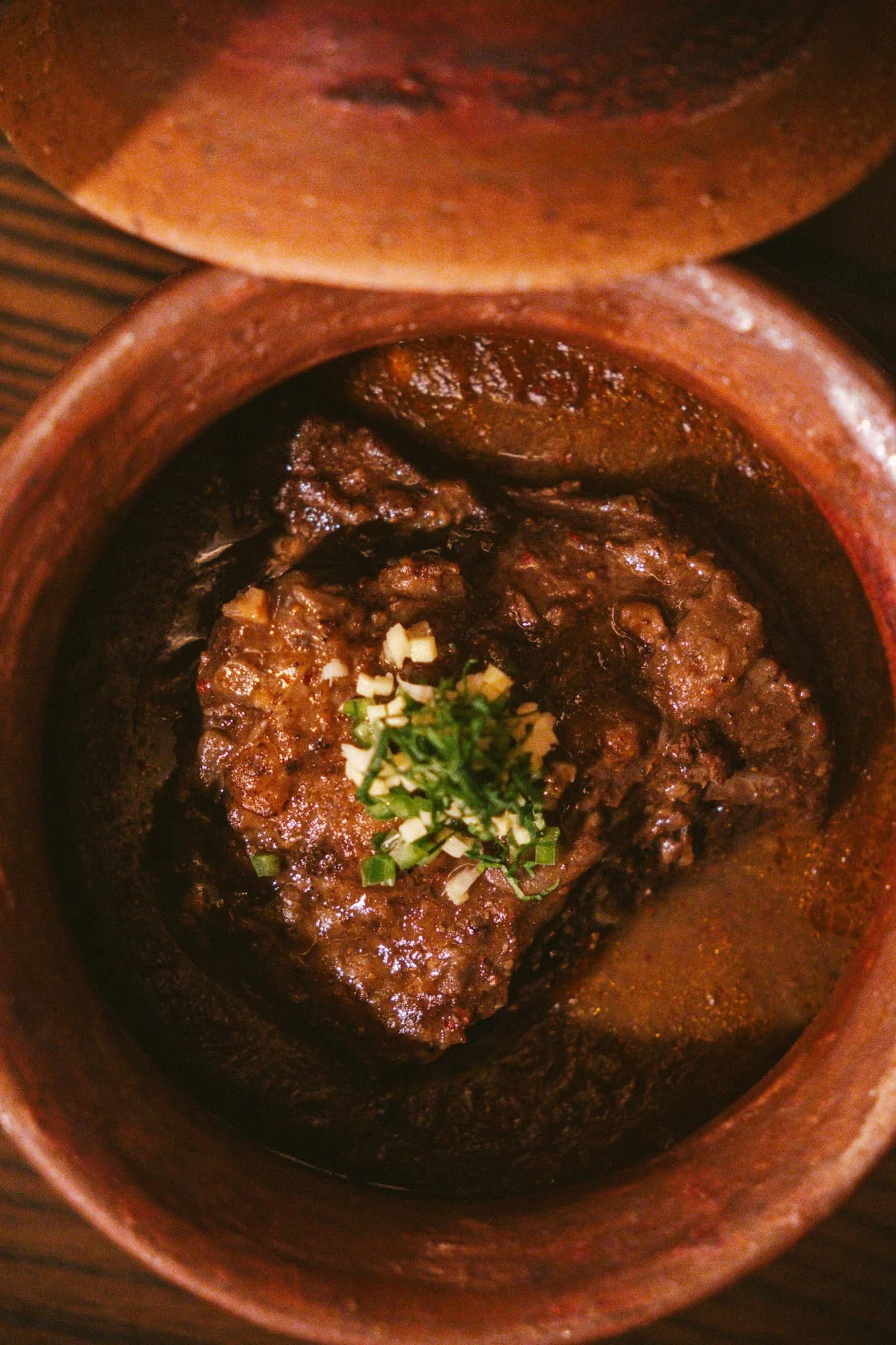
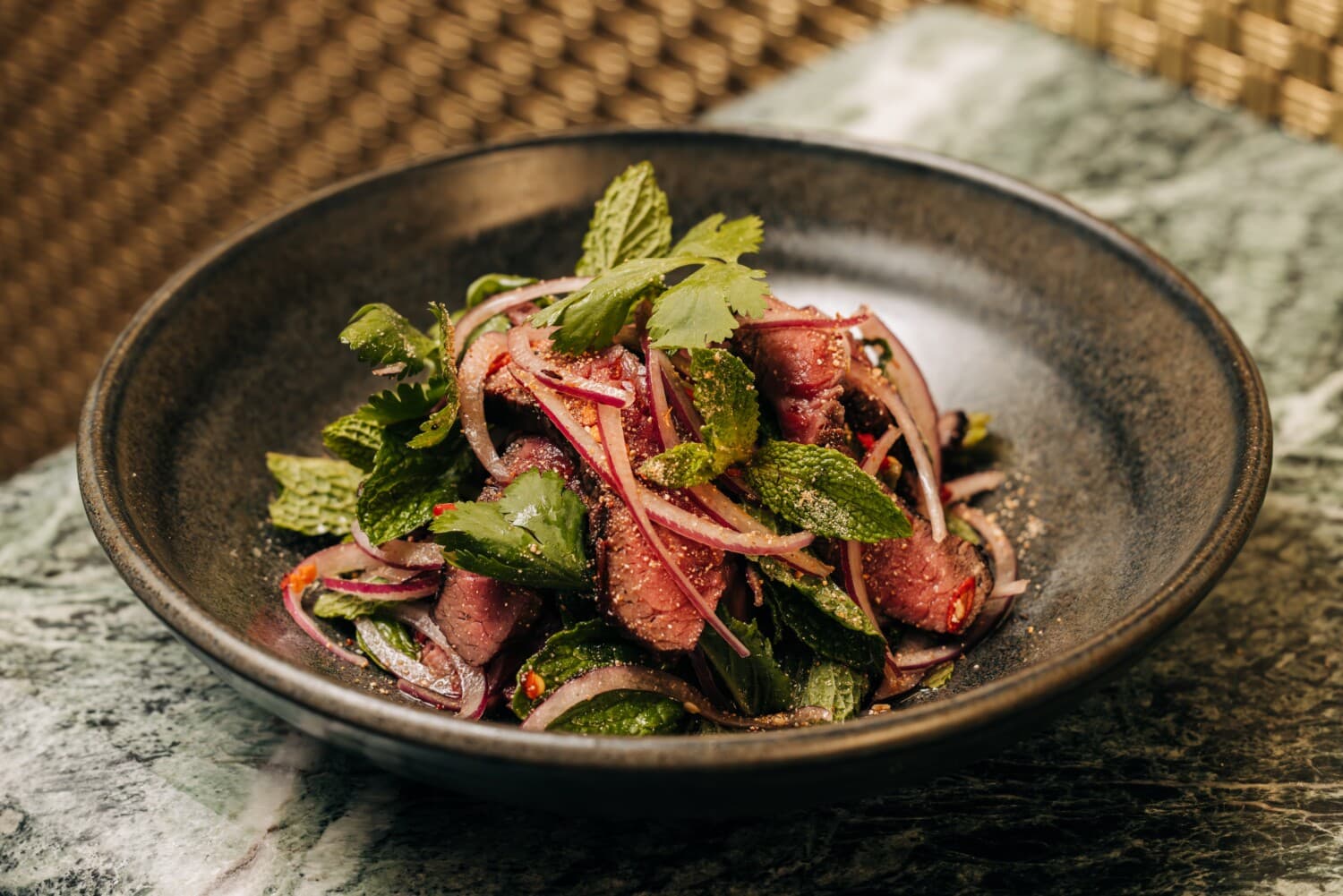
But the more interesting question is how to round out the order so the restaurant does not become only a steak story. Coverage from Eater and Time Out points to clay pot lobster pad Thai, crispy H.K. pork belly with nuoc cham, prawn toast built around youtiao, and sugarcane beef bo la lot wrapped in betel leaf. That spread tells you a lot. Crying Tiger is trying to give you texture, smoke, sweetness, richness, herbs, and enough familiar reference points to keep the table oriented.
Best First-Visit Order Strategy
Go with a group if you can. This restaurant is built for range.
Try to hit these lanes:
- one raw or lighter starter if available
- one fried or crispy dish for contrast
- one noodle or wok-centered dish
- one big-format centerpiece, ideally the ribeye if the budget allows
That gives you the broadest picture of what Dang is doing. It also keeps the meal from feeling like a one-note luxury flex.
The Space and the Best Use Case
Crying Tiger is at 51 W. Hubbard Street in the former Hub 51 space, and that address tells you something immediately: this was never going to be a tiny chef's-counter project.
The room sounds designed for impact. David Collins Studio details the winter garden, layered materials, and big-room choreography. Chicago Magazine calls the interior dazzling. Time Out describes a resort-like glamour that stands apart from River North's more predictable gloss.
That makes the best use case pretty clear. Crying Tiger is not your sneaky midweek neighborhood dinner. It is better for birthdays, high-energy dates, visitors, and nights where the room matters almost as much as the food. If you want something quieter and more intimate, there are better options elsewhere in the city. If you want a dinner with volume and visual payoff, this is exactly the point.
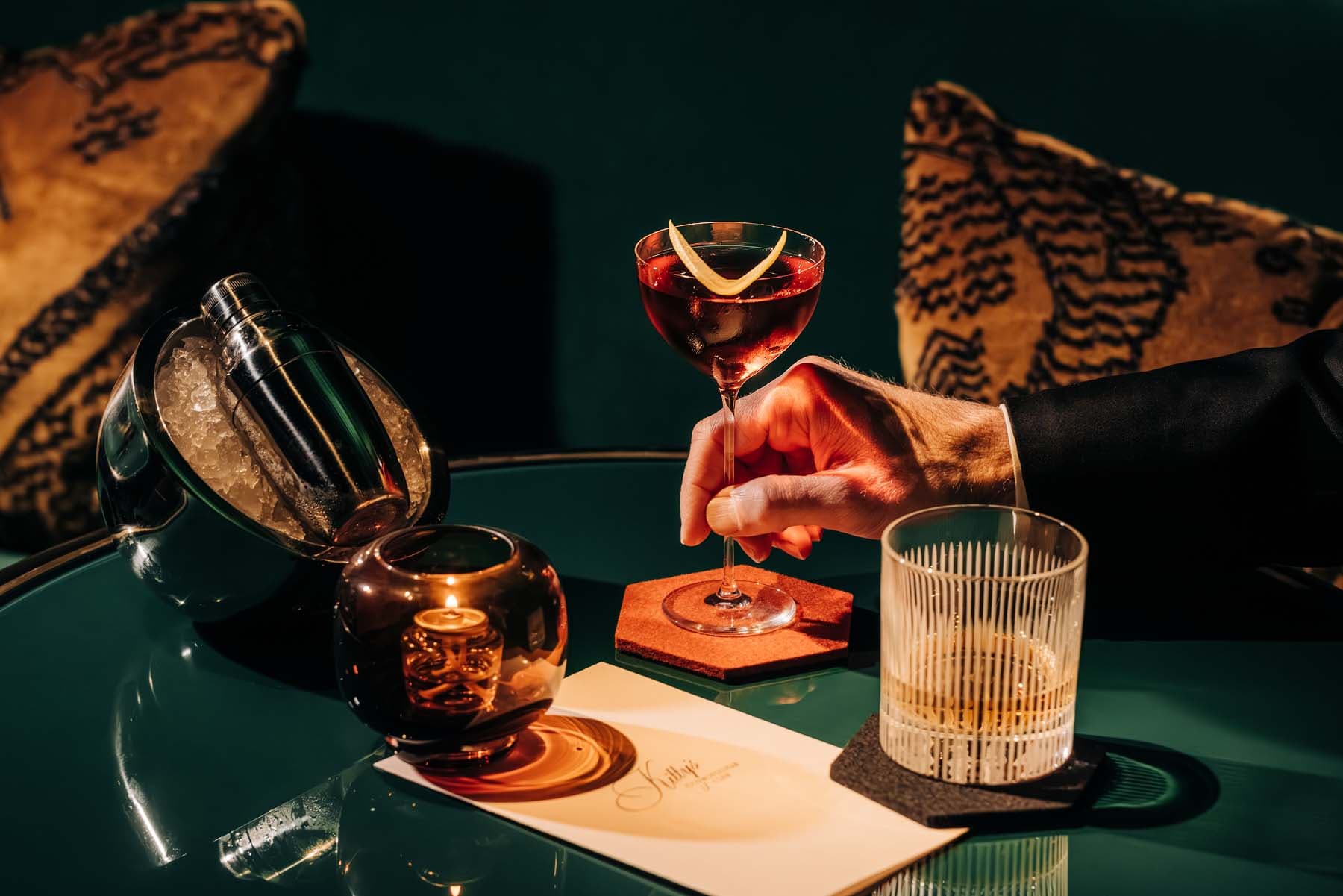
There is also a convenient second stop downstairs. Kitty's Cosmopolitan Club, the sibling lounge below the restaurant, gives the address extra utility if you want to turn dinner into a longer night.
Practical Details
Address: 51 W. Hubbard St., Chicago, IL 60654
Neighborhood: River North
Cuisine: Southeast Asian
Official site and reservations: Crying Tiger via Lettuce Entertain You
Phone: (312) 736-0183
Hours: Dinner daily, roughly 3 p.m. to 10 p.m. Sunday through Thursday, later on Friday and Saturday according to Fine Dining Lovers
Price level: Expect an upscale big-night spend, especially once cocktails and a large-format main enter the order
Dress code: Smart casual is the safest read for the room
Unlike a tasting-menu restaurant, Crying Tiger gives you more control over what the bill becomes. You can order strategically, but the room is clearly built to tempt you into going broader.
How Hard Is Crying Tiger to Book?
Harder than it first looks.
The Infatuation's toughest-reservations guide says reservations are available 30 days in advance and drop at midnight, with late or off-peak tables sometimes appearing closer in. That is useful because it confirms the pressure is not imaginary. Crying Tiger is already functioning like a serious current-demand reservation, not a place you assume will have room because it seats a lot of people.
Best Crying Tiger Booking Tactics
Know the 30-day window. If you want a prime weekend table, act early.
Be flexible on time. The Infatuation specifically notes that 4 p.m. and 10 p.m.-ish inventory can be easier to catch.
Use weekdays if the goal is the food, not the scene. Thursday can feel dramatically easier than Saturday.
Set a monitor if you care about a specific time. Big rooms still get cancellations, and this is exactly where a fast rebooking service can save effort.
Who Crying Tiger Is Best For
Crying Tiger is best for diners who want their dinner to feel expansive.
It makes the most sense for:
- birthdays and celebrations
- out-of-town guests
- stylish group dinners
- date nights where atmosphere matters
- diners who want Thai Dang's cooking in a broader, more social format
It makes less sense for a quiet catch-up, a budget-sensitive dinner, or anyone who dislikes high-energy rooms.
What Critics and Media Are Saying
The strongest early consensus is that Crying Tiger landed as a real event.
Eater Chicago focuses on the menu's regional breadth and Dang's move into a larger format. Chicago Magazine underlines the opening's excitement and visual punch. Time Out leans into the atmosphere, lobster pad Thai, and inventive cocktails. Even Lettuce's own River North guide treats Crying Tiger and Kitty's as neighborhood destination pieces, not just another opening to note and forget.
That is enough to draw a practical conclusion. Crying Tiger is not simply popular because it is new. It is popular because it gives Chicago a celebration-night restaurant with both chef credibility and mainstream pull.
FAQ
What kind of restaurant is Crying Tiger in Chicago?
Crying Tiger is Thai Dang's large-format Southeast Asian restaurant in River North, built for bold flavors, cocktails, and high-energy nights out.
Where is Crying Tiger located?
It is at 51 W. Hubbard Street in River North, in the former Hub 51 space.
What should I order at Crying Tiger?
The signature move is the 45-day dry-aged ribeye called the Crying Tiger, plus supporting dishes like lobster pad Thai, prawn toast, pork belly, and sugarcane beef.
Is Crying Tiger hard to book?
Yes. Reservations reportedly drop 30 days out at midnight, and prime-time slots go fast.
Is Crying Tiger good for special occasions?
Very much so. This is one of Chicago's better current picks for birthdays, celebration dinners, and nights where the room needs to impress.
When reservations are gone
Let Resto Mojo keep checking for the table.
Choose the restaurant, date, party size, and time range. Resto Mojo monitors supported booking platforms and can book when a matching opening appears.