Chicago already had a broad July restaurant story.
Smyth's North America No. 1 status and the city's earlier heat-list chatter covered the prestige side. What feels newer, and more useful right now, is a smaller wave of restaurants that pull Chicago outward: spice-route cooking, Southeast Asian spectacle, Greek mezze, Filipino cocktails, and Hawaiian lunch plates that are suddenly worth planning around.
Eater's July openings tracker, The Infatuation's newest-openings list, and Chicago Magazine's current hot-restaurants package all point to the same thing. Chicago's most interesting summer dining momentum is coming from restaurants that feel globally sourced without feeling vague or trend-chasing.
That makes this a better late-July angle than another generic best-of list. These are the six rooms rewriting actual dinner plans right now.
1. Muhajir
Muhajir is the clearest headline in the group because the concept is so explicit. Chef Zubair Mohajir built the new Lincoln Park restaurant around migration, movement, and the historic spice routes, a frame that Eater Chicago highlighted when the restaurant opened on July 1.
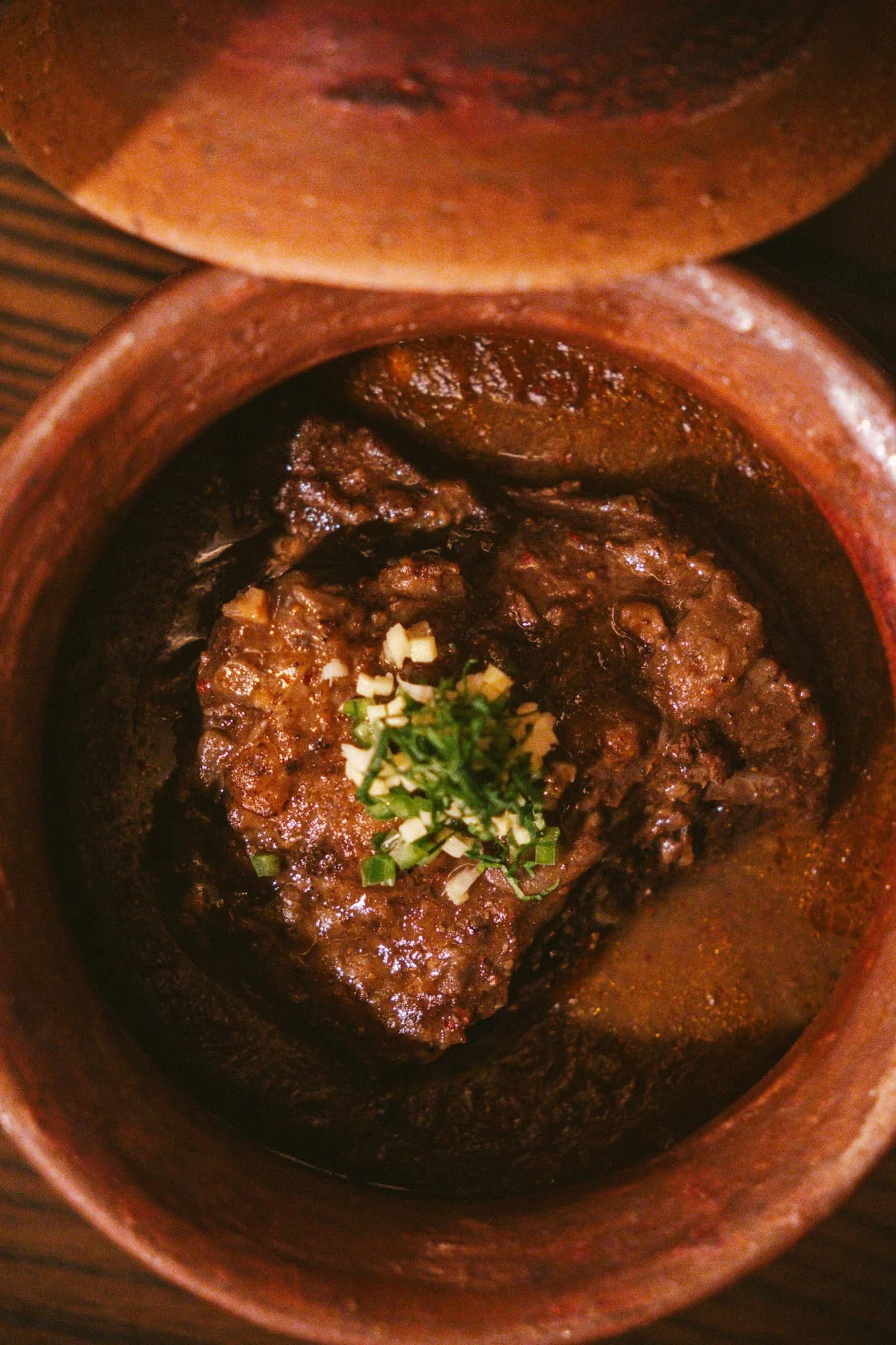
That story could have sounded abstract. Instead, it sounds practical and hungry: live-fire cooking, seafood, breads and dips, dosa, goat biryani, and a menu that moves between South Asia, the Middle East, North Africa, and the Mediterranean without pretending those borders were ever neat. It matters now because it feels like one of the few Chicago openings with an actual thesis.
Why it matters now: It is chef-driven, newly open, and grounded in a story people are actually talking about.
Good for: Curious diners, date nights with a conversation topic built in, and anyone who wants a new Chicago restaurant that does not feel algorithmically assembled.
2. Crying Tiger
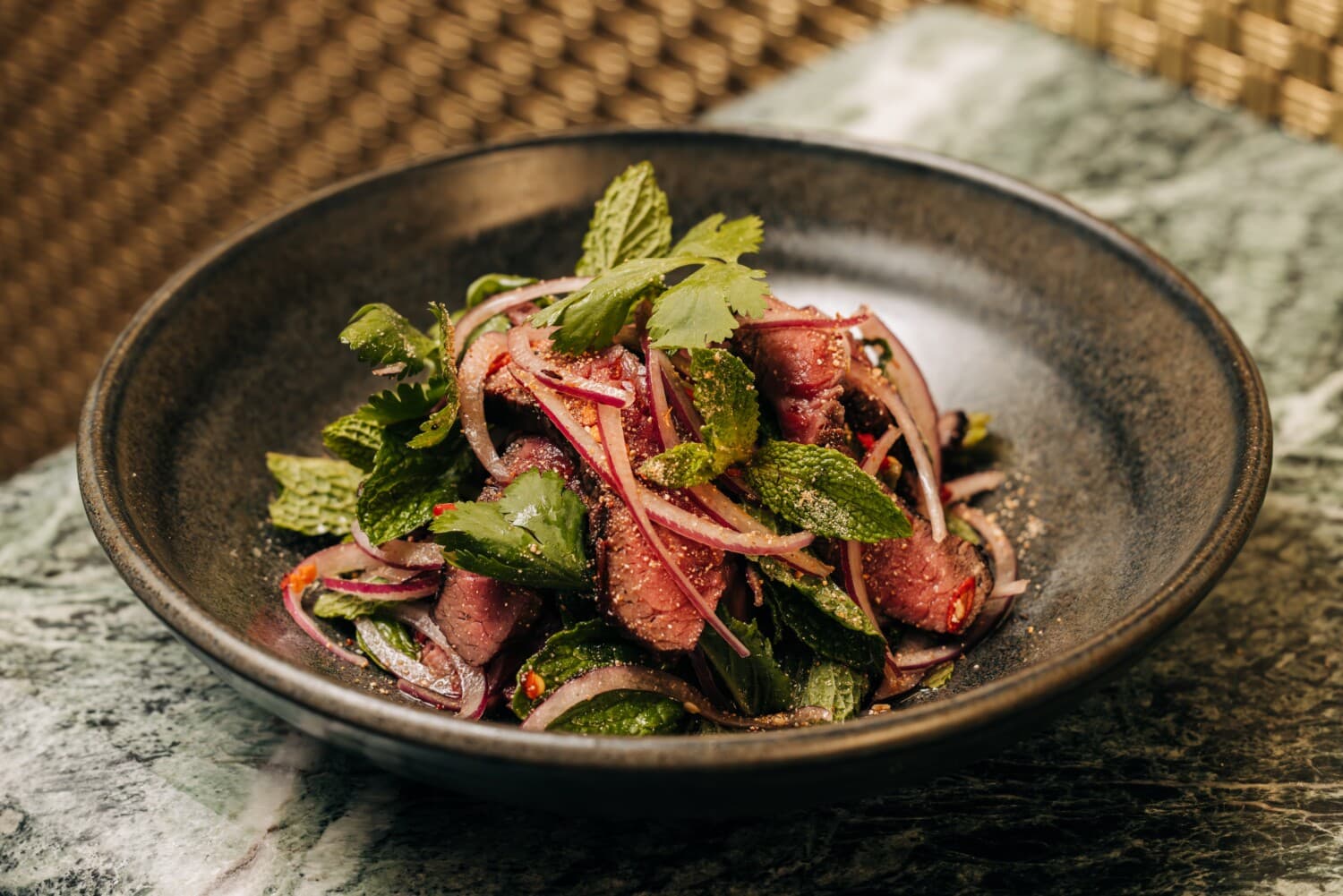
Crying Tiger gives River North a different kind of global energy. Chef Thai Dang's room is not selling subtlety. It is selling scale, color, Southeast Asian range, and the confidence to put a $115 dry-aged ribeye called the Crying Tiger at the center of the table.
Eater's opening report and Chicago Magazine's early coverage both make the same point in different language: this is one of the city's most fully realized splashy openings. The room is big, the menu is broad, and the restaurant has already become one of those places out-of-towners ask about.
Why it matters now: It turns Thai Dang's credibility into a large-format River North destination instead of a niche chef project.
Good for: Birthdays, showy group dinners, visitors, and anyone who wants a high-energy reservation with real food-world backing.
3. Kitty's Cosmopolitan Club
The smartest move in River North may be going downstairs.
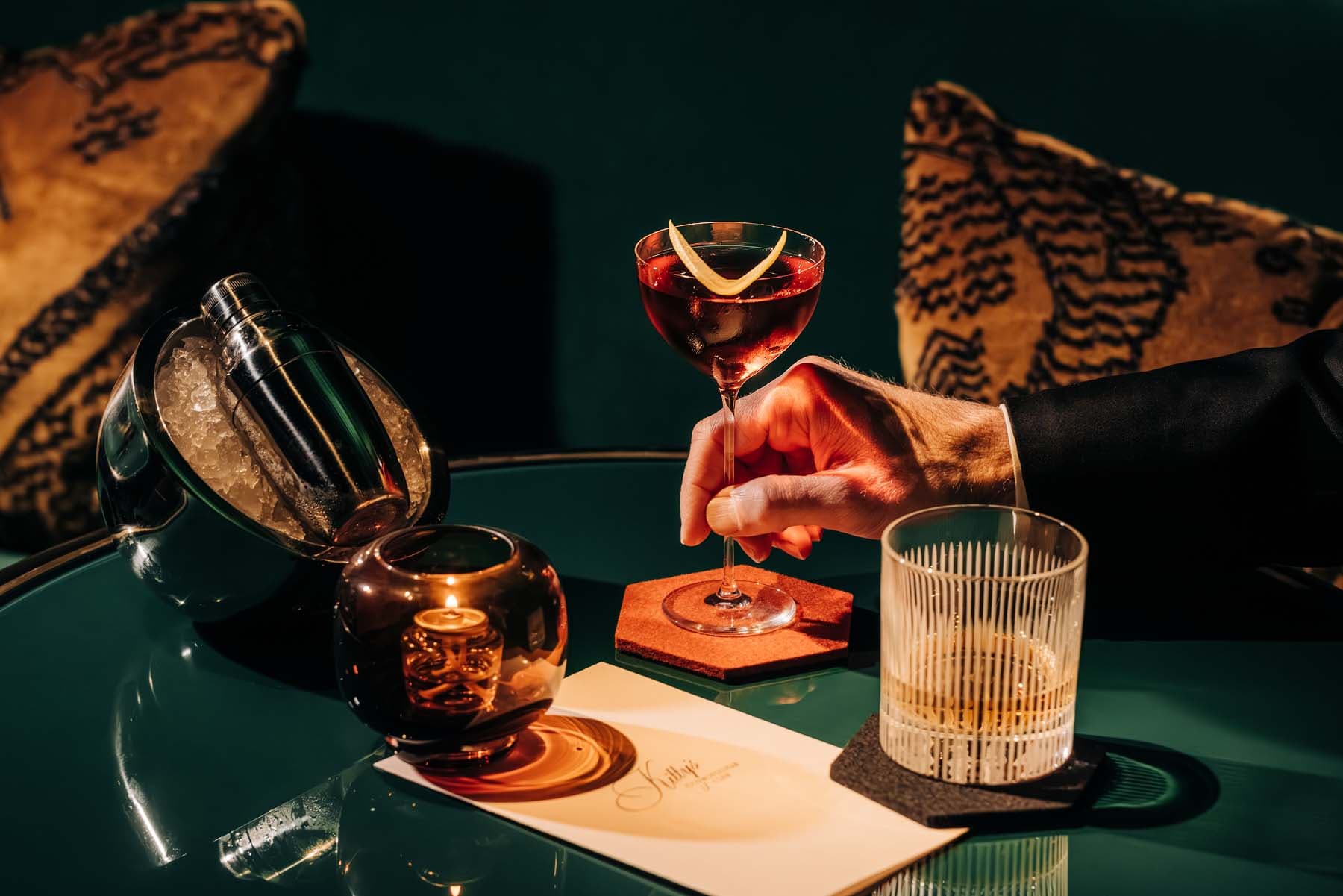
Kitty's Cosmopolitan Club is the lower-level lounge under Crying Tiger, and it already has its own gravity. The Infatuation's newest-openings guide calls out the big booths, freezer-cold martini station, wagyu dim sum, and seafood tower. That sounds exactly like the kind of place Chicago starts using for celebrations and late-night flex dinners the moment people trust the drinks.
It matters because it gives the Crying Tiger team a second shot at your night. Dinner upstairs, martinis downstairs, or just the lounge if you want something more glamorous than a standard cocktail bar.
4. Noema
Noema is less theatrical than the River North pair, but that is part of its appeal. The new Lincoln Park Greek gastrobar is built for mezze, grilled meats, seafood, cocktails, and long dinners that do not require a special-occasion speech first.
The Infatuation's review and the restaurant's own site make clear that this is not a quick-service Greek concept dressed up with blue paint. The room leans modern, the menu stretches from melitzanosalata to lamb chops and crispy lavraki, and the address gives Lincoln Park a new answer for group dinners that want Mediterranean polish without a tasting-menu mood.
Why it matters now: Chicago always has steak and sushi buzz. A new sit-down Greek place with this much social utility stands out more than it sounds.
Good for: Groups, low-pressure date nights, family dinners, and anyone tired of picking between casual taverns and high-drama reservation rooms.
5. Txa Txa Club
Txa Txa Club is one of the more charming restaurants in the set because it does not fit a simple neighborhood-cafe box. After building a following as a pop-up supper club, the Logan Square team landed in a permanent space with an all-day menu full of congee, papaya with sumac and tahini, panzanella with tomato nuoc cham, and other dishes that make "eclectic" sound deliberate rather than scattered.
Chicago Magazine's July feature frames the place as whimsical, and that is useful. Chicago has enough rooms trying to look serious. Txa Txa Club sounds like a restaurant built around appetite, curiosity, and the freedom to come in for breakfast, coffee, or a slower evening meal.
Why it matters now: It turns a well-liked pop-up into a permanent daytime-to-evening habit.
Good for: Creative brunches, casual drop-ins, laptop-free catchups, and diners who want something more personal than a standard cafe menu.
6. Da Local Boy
Da Local Boy is the most practical restaurant here, which is exactly why it belongs in the roundup. The Loop outpost has quickly become one of those weekday lunch spots that people mention with a little urgency because the line is real and the food holds up.
The Infatuation's review points to charred huli huli chicken, pork belly in calamansi ponzu, rice plates, poke sides, and loco moco. The Tribune's July review package treated the opening as a serious local development rather than a novelty. That matters because downtown Chicago always needs lunch, but it rarely gets lunch that feels this specific.
Why it matters now: It gives the Loop a weekday obsession that feels genuinely different from the normal grab-and-go rotation.
Good for: Fast lunches, office escapes, casual takeout, and anyone who wants a reason to go early instead of waiting for noon chaos.
What Chicago's Late-July Story Really Is
Chicago is not only rewarding high-end prestige. It is rewarding point of view.
You can see that in Muhajir's migration-through-food pitch, in Crying Tiger's Southeast Asian maximalism, in Kitty's lounge theatrics, and in the quieter usefulness of Noema and Da Local Boy. Even Txa Txa Club is part of the same pattern. The city feels more interesting when restaurants stop chasing one universal luxury template.
The two restaurants from this roundup that most deserve deeper guides are Muhajir and Crying Tiger. Muhajir has the sharper chef-story and opening-week search value. Crying Tiger has the bigger-room buzz, tougher reservation pressure, and more obvious celebratory appeal.
Reservation Tips for Right Now
Treat Muhajir as a new-openings reservation. Fresh buzz plus a smaller room usually means better odds on weekdays and earlier seatings.
Book Crying Tiger before you need it. This is the most conventionally in-demand dinner in the group.
Use Kitty's for late starts. If you are comfortable with a later table, the lounge format can work in your favor.
Keep Noema in the group-chat arsenal. It is one of the easiest restaurants here to turn into a yes from a wide range of people.
Hit Da Local Boy before noon or after one. The weekday rush is part of the story now.
FAQ
What is the freshest Chicago restaurant angle right now in July 2026?
It is the city's cross-cultural opening wave, led by Muhajir, Crying Tiger, Kitty's Cosmopolitan Club, Noema, Txa Txa Club, and Da Local Boy.
Which restaurant in this roundup is hardest to book?
Crying Tiger is the toughest mainstream dinner reservation in the set, with Kitty's not far behind for the right nights.
Which restaurant feels most new and chef-driven?
Muhajir. Zubair Mohajir built the whole restaurant around migration and historic spice routes, and that idea is central to the menu.
Which place is best if I want something casual?
Da Local Boy is the easiest everyday pick, while Txa Txa Club works well for a more relaxed all-day meal.
Which two restaurants deserve deeper guides?
Muhajir and Crying Tiger. They have the strongest current buzz, the clearest booking questions, and the most useful reservation-search value.
When reservations are gone
Let Resto Mojo keep checking for the table.
Choose the restaurant, date, party size, and time range. Resto Mojo monitors supported booking platforms and can book when a matching opening appears.