Tonchin is the kind of opening that could have gone wrong in Mexico City. A known restaurant name from Tokyo, already expanded to New York and Los Angeles, dropping into a city with strong local taste and no real patience for lazy imports? That can turn into a branding exercise fast.
Instead, The Infatuation's review of Tonchin in Mexico City makes it sound like the opposite. The restaurant is being treated as a real addition to the city's expanding ramen scene, not just a global name looking for another pin on the map.
That distinction matters. If you are in CDMX and wondering whether Tonchin is worth carving out a meal for, the answer is yes, especially if you want something that feels stylish and current without requiring a full fine-dining commitment.
Why Tonchin Matters in Mexico City Right Now
The broader Mexico City story in April 2026 is not just about fancy tasting menus and celebrity-chef rooms. Some of the most interesting energy is happening at places that deliver something more casual, but still destination-worthy.
That is where Tonchin fits. It also appears on The Infatuation's current Hit List for new Mexico City restaurants, which is useful because it means the restaurant is not just a curiosity from opening week. It is still very much in the conversation.
For visitors, that makes Tonchin a strong counterweight to the heavier reservation drama elsewhere in the city. For locals, it is the sort of place you can recommend without sounding like you are just repeating obvious luxury picks.
The Tonchin Backstory
What we can say with confidence is that Tonchin arrives with a serious international footprint. The Infatuation's Mexico City review directly references the restaurant's existing New York location and Los Angeles location, which tells you this is a concept with enough consistency to travel.
That could easily make a new branch feel corporate. But in this case, the opposite seems to be happening. Tonchin's Mexico City outpost feels tuned to Juárez, a neighborhood that is especially good at absorbing cosmopolitan concepts and making them feel local through context.
A restaurant like this works because Juárez can hold a little polish, a little business-district energy, and a little after-dark curiosity all at once.
What to Order at Tonchin
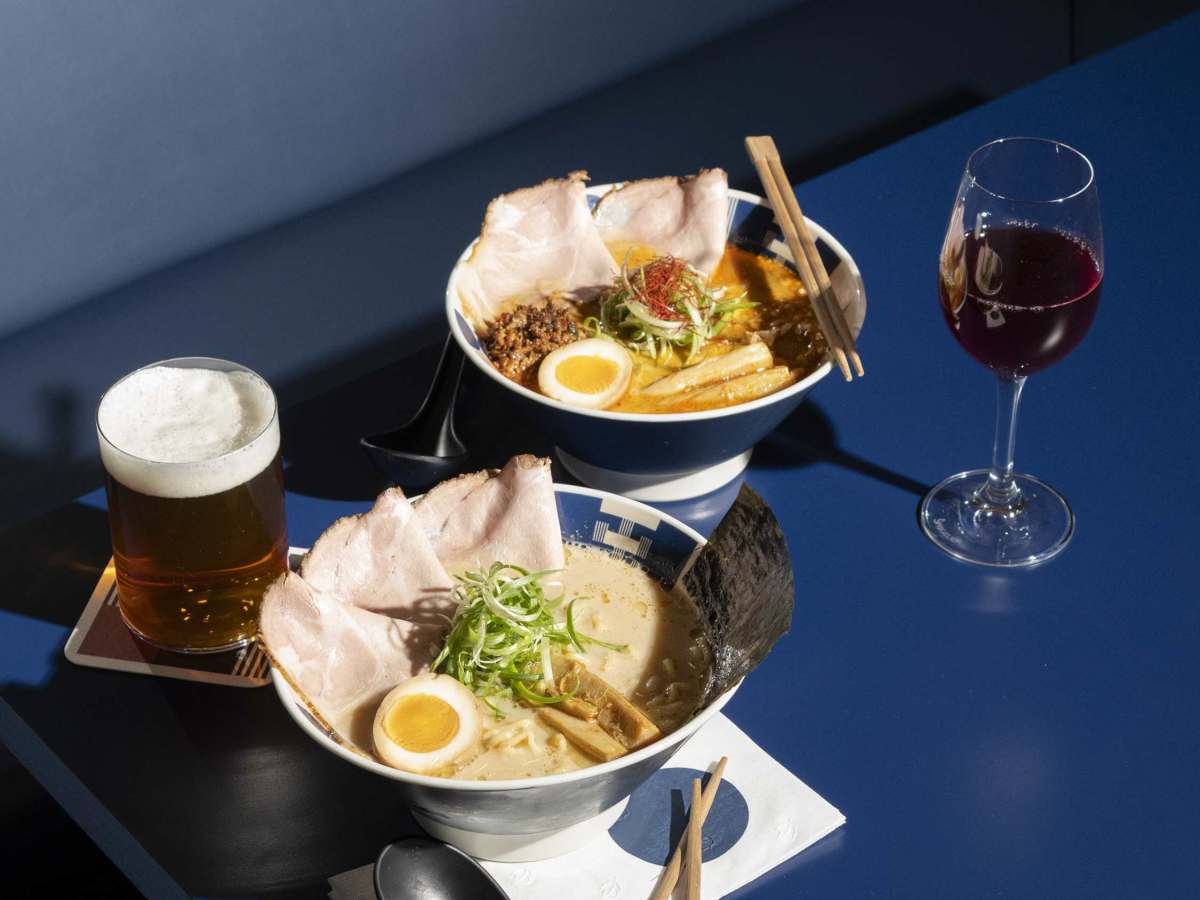
The first order is easy. Get the spicy tan tan ramen.
That is the bowl The Infatuation calls out most clearly, describing it as comforting and fiery, with thin chashu slices and a perfectly runny egg. That is exactly the sort of ramen description you want. Specific enough to be credible, direct enough to make the order obvious.
If you only have one meal here, anchor it around that bowl and build outward. The review also mentions matcha kakigori, which makes Tonchin sound more complete than a one-note ramen stop. Good ramen restaurants know the side moves matter. Great ones know the finish matters too.
Because the kitchen is visible from the dining room, there is also some extra pleasure in watching the meal take shape before it lands. That kind of open-kitchen confidence tends to signal a restaurant that believes in its own process.
The Space, Mad Men Meets Japanese Minimalism
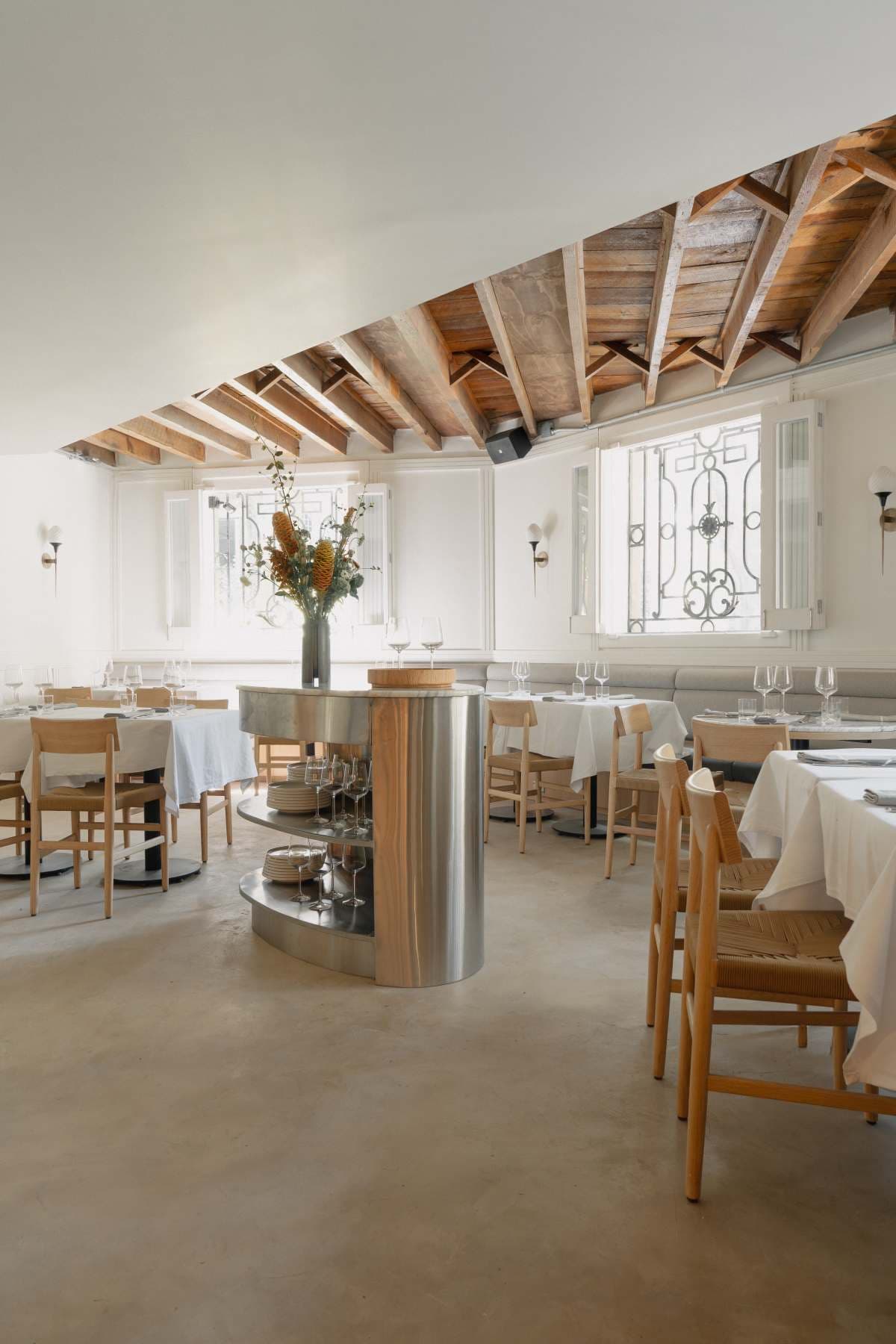
Tonchin's room sounds half the reason to go. The Infatuation describes it as a basement-level space in the middle of Reforma's office jungle that feels like a Mad Men set gone Japanese minimalist.
That is an excellent description because it explains both the vibe and the use case. This is not a rustic ramen den. It is a polished, urban, low-lit dining room that works for solo meals, dates, post-work dinners, and nights when you want something sharper than a purely functional bowl shop.
The open kitchen adds some energy, but the bigger point is that Tonchin feels intentional. A lot of ramen spots are about speed and comfort. Tonchin seems more interested in comfort plus atmosphere.
That makes it much easier to recommend as a real dinner destination.
How Expensive Is Tonchin?
Tonchin is almost certainly easier on the wallet than a Michelin-level dinner in Polanco or Roma, but it is also not trying to be the cheapest bowl in town. Imported concepts with slick rooms and a buzzy launch rarely play at bargain level.
Still, this is where Tonchin becomes especially attractive in the Mexico City dining mix. You can have a meal with genuine destination value, visible technique, and a room people actually want to sit in, without committing to a multi-hour tasting menu or a once-a-month budget hit.
That is a meaningful niche. Plenty of travelers want one or two serious splurges, then a few meals that still feel worth planning around. Tonchin fits that second category beautifully.
Reservation Strategy
One of Tonchin's biggest advantages is that it should be more attainable than the city's hardest fine-dining reservations, while still feeling like somewhere you should plan ahead for. If you are aiming for peak dinner time in Juárez, especially on a weekend, do not assume you can just stroll in without friction.
The smarter play is to treat Tonchin like a popular mid-tier destination rather than a casual backup. If you are building a CDMX itinerary, it makes sense as:
- a first-night dinner when you do not want a giant commitment
- a high-upside lunch in Juárez
- a fallback from a harder-to-book luxury reservation that does not feel like settling
- a safer choice for mixed groups where not everyone wants a tasting menu
If you are staying near Reforma, it becomes even more appealing because the location is easy to fold into the rest of your day.
Who Tonchin Is Best For
Tonchin works for almost every type of diner, which is part of why it matters. It is especially strong for:
- ramen lovers who want a polished version of the format
- travelers staying around Juárez or Reforma
- diners who want style without fine-dining ceremony
- couples who would rather split a lower-key, smarter meal than sit through a marathon tasting
- solo diners who still care about atmosphere
It is less ideal if you are specifically looking for deeply local Mexican cooking. That is obvious, but worth saying. Tonchin is compelling because it broadens what a great Mexico City restaurant night can look like, not because it tries to summarize the city.
What Critics and Media Are Saying
The clearest critical source remains The Infatuation's Tonchin review, which is strong on both food detail and atmosphere. That review also matters because it frames Tonchin as part of the city's expanding ramen scene rather than as a one-off import.
The restaurant's inclusion on The Infatuation's new-restaurant Hit List gives it broader momentum. And if you want a quick visual read on the place, there is also a YouTube walkthrough of Tonchin in CDMX that gives a sense of the room and the format.
The other useful comparison points are Tonchin's own sister reviews in New York and Los Angeles. Those do not tell you everything about the Mexico City location, but they do reinforce the broader reputation behind the name.
Tonchin vs Other New Restaurants in CDMX
Tonchin stands out because it does not compete on the same field as places like Lotti or Bartola. It is less about romance, less about fashion, and more about being a genuinely satisfying dinner that still feels current.
If Lotti is the smarter special-occasion date, Tonchin is the smarter casual booking. If Bartola gives you maximum scene, Tonchin gives you more comfort and probably more focus. If you are the sort of diner who values repeatability, Tonchin may actually be the more useful recommendation.
That is often the difference between a restaurant you admire once and a restaurant you keep returning to.
Practical Details
Neighborhood
Juárez
Cuisine
Japanese ramen and related comfort dishes
Price Range
Moderate to upper-moderate for a destination ramen meal
Best For
Casual dates, first-night dinners, solo meals, post-work dinners, itinerary-safe recommendations
Reservation Outlook
More accessible than the city's hardest luxury tables, but still worth planning ahead
FAQ
Is Tonchin worth it in Mexico City?
Yes. It looks like one of the city's strongest newer casual reservations, especially if you value ramen, atmosphere, and a lower-commitment night out.
What should I order at Tonchin Mexico City?
Start with the spicy tan tan ramen. Add matcha kakigori if you want the fullest version of the experience described in current reviews.
Where is Tonchin in Mexico City?
Tonchin is in Juárez, in a basement-level space near Reforma's office corridor and the neighborhood's more walkable shopping streets.
Is Tonchin better for lunch or dinner?
Either can work, but dinner makes more sense if you want the room's full low-lit atmosphere. Lunch is probably the easier booking.
Is Tonchin a fancy restaurant?
Not in the formal tasting-menu sense. It is better understood as a polished, destination-level ramen restaurant.
Is Tonchin a good backup if I miss a harder reservation?
Absolutely. In fact, it is one of the better backup plans in CDMX because it still feels like a win.
When reservations are gone
Let Resto Mojo keep checking for the table.
Choose the restaurant, date, party size, and time range. Resto Mojo monitors supported booking platforms and can book when a matching opening appears.