La' Shukran is one of those restaurants where the approach matters almost as much as the menu.
If you walk in expecting another polished chef side project, you will miss the point. Michael Rafidi did not build this place to imitate Albi with a louder soundtrack. La' Shukran's official story, Washingtonian's opening report, and Resy's booking explainer all point toward the same idea: a Union Market bistro-bar where Palestinian and broader Levantine references meet French technique, all-vinyl DJ sets, and the kind of late-night energy D.C. does not produce often enough.
That is why La' Shukran still matters in summer 2026. It is not just hard to book. It still feels like a distinct night out.
Why Michael Rafidi's background matters here
Rafidi already had plenty of credibility before La' Shukran opened. He is the chef behind Albi, he won the 2024 James Beard Award for Outstanding Chef, and he helped prove that D.C. diners were more than ready for a restaurant grounded in Levantine identity without sanding off any of the edge.
But La' Shukran is useful because it broadens the story. Axios' review frames it as one of the city's vibier restaurants, which sounds casual until you realize how much discipline it takes to make "vibe" feel earned rather than fabricated.
Rafidi's training in French kitchens, plus his Palestinian-American point of view, gives the place its tension. You can feel classic bistro structure in the menu, but the flavors and emotional center come from somewhere else.
The concept is bigger than "Levantine bistro"
"Levantine funk" is one of the phrases attached to La' Shukran, and it works because the restaurant actively resists sounding too neat. Eater's opening look inside the room emphasized the disco energy, bar-first spirit, and the casual weirdness of the setting.
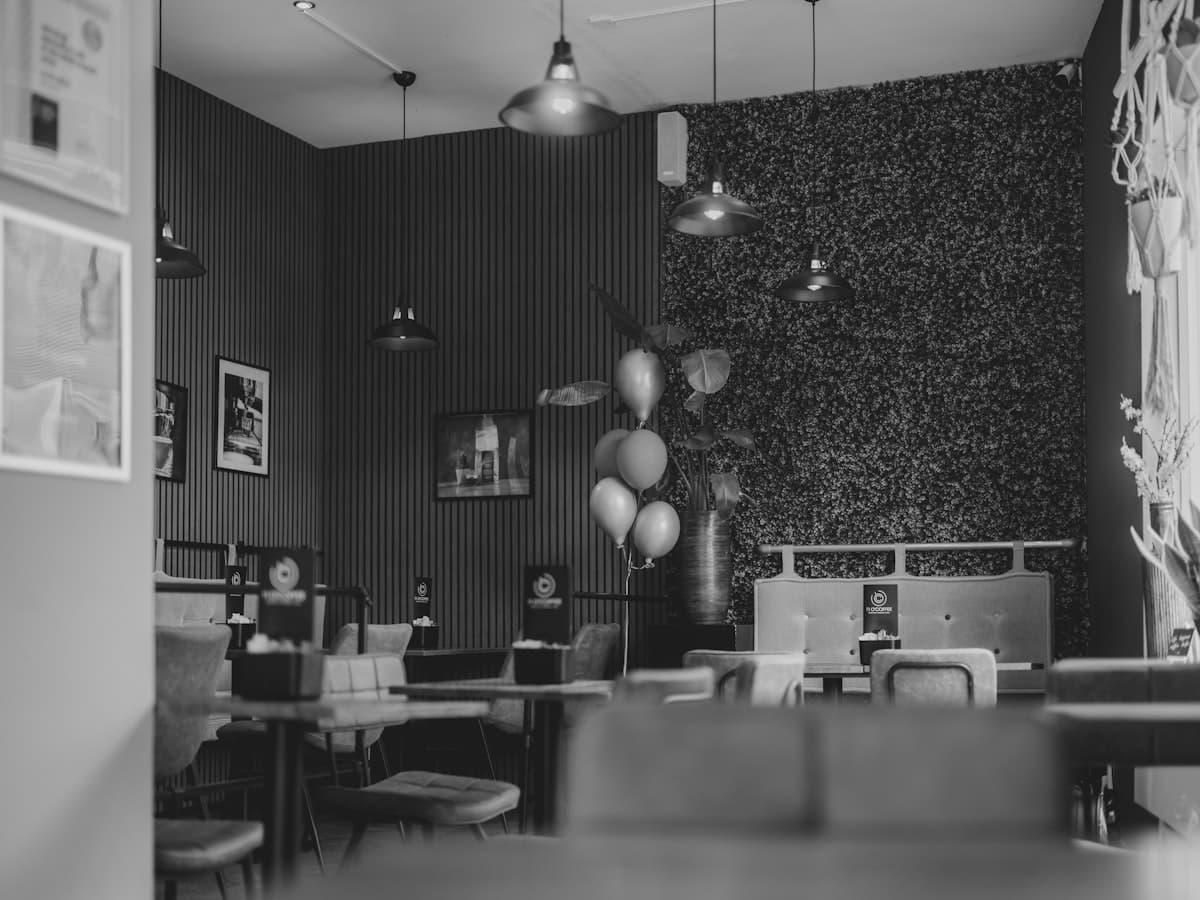
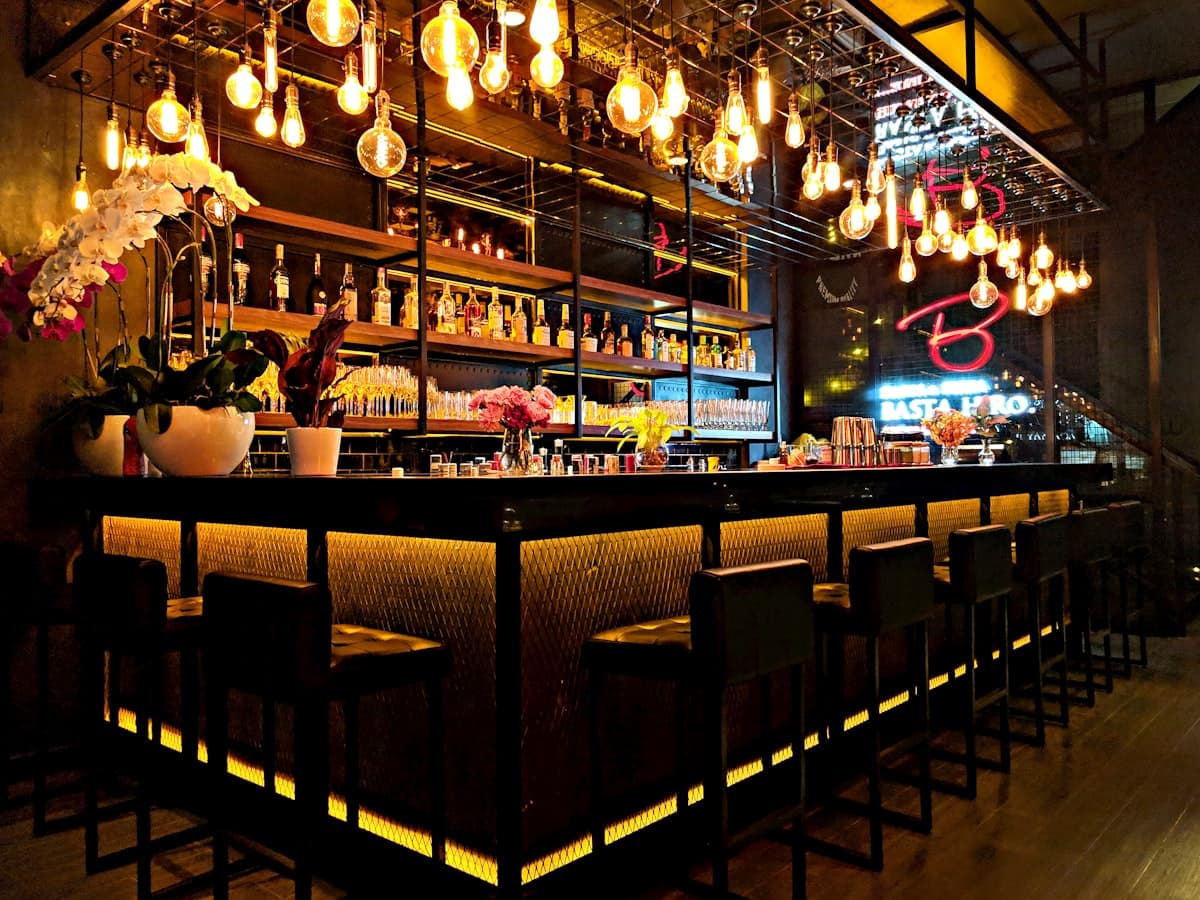
You enter through an alley. The restaurant sits above Yellow in a long-abandoned meat-market building. The room has around 40 dining seats, a smaller bar, and seasonal rooftop spillover. Some nights it reads like a bistro. Some nights it reads more like the kind of place where dinner keeps mutating into drinks.
That flexibility is part of the draw. La' Shukran is for people who want a plan, but not too much plan.
What to order at La' Shukran
The menu changes, which is a good sign here. It means the restaurant is not trying to freeze itself into a set of greatest hits too early.
Still, the current coverage gives you a smart shape for a first meal. Resy and Axios both highlighted dishes like the garlicky escargot, picanha kebab, kebab burger, duck confit fried rice, and broader use of arak, toum, and Levantine spice.
That lineup tells you how to think about the menu:
- Order at least one dish that sounds like a French classic put under new pressure.
- Get something obviously grill- or kebab-oriented.
- Do not skip the drinks, because the beverage program is part of the identity.
- If the burger is on and the table size allows it, consider it. It sounds playful, but it also sounds structurally central to the room.
The worst move here is to order too cautiously. La' Shukran rewards diners who lean into the personality of the place.
The drinks and atmosphere deserve equal billing
A lot of restaurant guides bury the bar program halfway down the page. That would be wrong here.
La' Shukran is not just a chef restaurant with cocktails attached. Radovan Jankovic's bar program and William Simons's natural-leaning wine list are central to how the night feels. The official site specifically calls out the high-energy cocktail identity, and Union Market's listing makes the same point in simpler terms.
That matters because La' Shukran competes less with a standard dinner reservation than with the entire idea of what a D.C. night can be. If you want a quiet meal where the soundtrack disappears, pick somewhere else. If you want a room with motion, color, and a little bit of friction in the best way, this is much closer.
The reservation strategy is real
This is the section most people actually need.
La' Shukran is on Resy, and the drop mechanics have been part of the restaurant's identity almost since opening. Resy's own guide to getting in is the best starting point because it explains both the demand and the scale of the room. There are not that many seats, and the restaurant has enough buzz to make that scarcity matter.
The practical version:
Watch the release pattern
Resy has documented the rolling release structure, while other local coverage has described weekly moments where tables vanish fast. The exact mechanics can shift, so the safest approach is to track the listing and be ready when new inventory appears.
Prioritize smaller parties
Two-tops are usually the easiest way into rooms like this. Larger groups should expect more friction.
Use the bar and walk-in mindset when possible
La' Shukran is built partly like a bar, and flexibility helps. If you insist on one exact prime-time table, you are fighting the room. If you can start later, sit at the bar, or reshape the night a bit, the place becomes more attainable.
This is exactly the kind of reservation profile where Resto Mojo is helpful. The restaurant has real demand, a comparatively small footprint, and a lot of value hiding in cancellations or inventory that appears outside the clean release moment.
Who La' Shukran is best for
La' Shukran makes the most sense for:
- Date nights where the room matters as much as the food
- Diners who already trust Michael Rafidi and want the looser, louder version of that world
- Groups who want a dinner that can turn into a real night out
- Visitors trying to understand modern Union Market beyond food hall shorthand
- Locals who are bored by generic "vibe dining" and want the real thing
It makes less sense for anyone who wants low volume, conservative plating, or a tightly traditional Middle Eastern restaurant experience.
How La' Shukran compares to Albi and Yellow
The easiest mistake is to assume La' Shukran is just the missing middle between Rafidi's other projects.
It is true that Yellow is more casual daytime Rafidi, and Albi is the more formal expression of his cooking. But La' Shukran is not merely the in-between. It is the project where Rafidi seems most willing to let the emotional side of the room lead.
Yellow is utility plus craft. Albi is polished intention. La' Shukran is seduction.
I mean that in the restaurant sense. The alley approach, the rooftop, the late-night cues, the music, and the way the menu bends all exist to create momentum, not just dinner.
What critics and local media are saying
Washingtonian treated the opening as one of the more anticipated ones of the year, which already tells you the expectations were high. Eater focused on the funkier, room-first details. Axios zeroed in on the atmosphere and the reservation pressure.
That trio of responses is useful because it covers the three things diners care about most: chef pedigree, room energy, and practical difficulty. La' Shukran scores on all three.
Practical details
Location: 417 Morse Street NE, second floor, Union Market District, Washington, D.C. 20002
Website: La' Shukran
Reservations: Resy for dining-room tables, with bar and walk-in flexibility depending on the night
Price range: Moderate to upper-moderate, with the check rising quickly if you treat it like a full drinks-forward night
Best for: Date nights, chef-driven dinners with energy, group hangs, Union Market nights out
Dress code: Smart casual works best. You do not need to overdo it, but the room rewards a little intention.
Final take
La' Shukran is one of the more persuasive arguments that D.C. can do style without becoming hollow.
The food matters, and the chef matters, but the restaurant's real success is that it turns all of that into a night people actually want to repeat. You go for the Rafidi connection, the alley intrigue, the rooftop, the kebabs, the drinks, the music, or the simple curiosity of seeing whether the hype translates. The good news is that all of those reasons make sense.
This is not the calmest dinner in the city. It may be one of the most alive.
FAQ
Is La' Shukran hard to get into?
Yes. It is one of the more competitive Union Market reservations because the room is relatively small and demand stays strong.
Where do you book La' Shukran?
Reservations are handled through Resy, and it is smart to watch the listing closely for new inventory and cancellations.
What kind of food does La' Shukran serve?
It blends Levantine and broader Middle Eastern references with French bistro technique, plus a strong drinks program built around arak, natural wine, and cocktails.
Is La' Shukran good for a date night?
Very much so. It is one of the better D.C. picks if you want chef credibility and real atmosphere in the same room.
How is La' Shukran different from Albi?
Albi is more formal and focused. La' Shukran is louder, looser, more bar-driven, and built for longer nights.
When reservations are gone
Let Resto Mojo keep checking for the table.
Choose the restaurant, date, party size, and time range. Resto Mojo monitors supported booking platforms and can book when a matching opening appears.