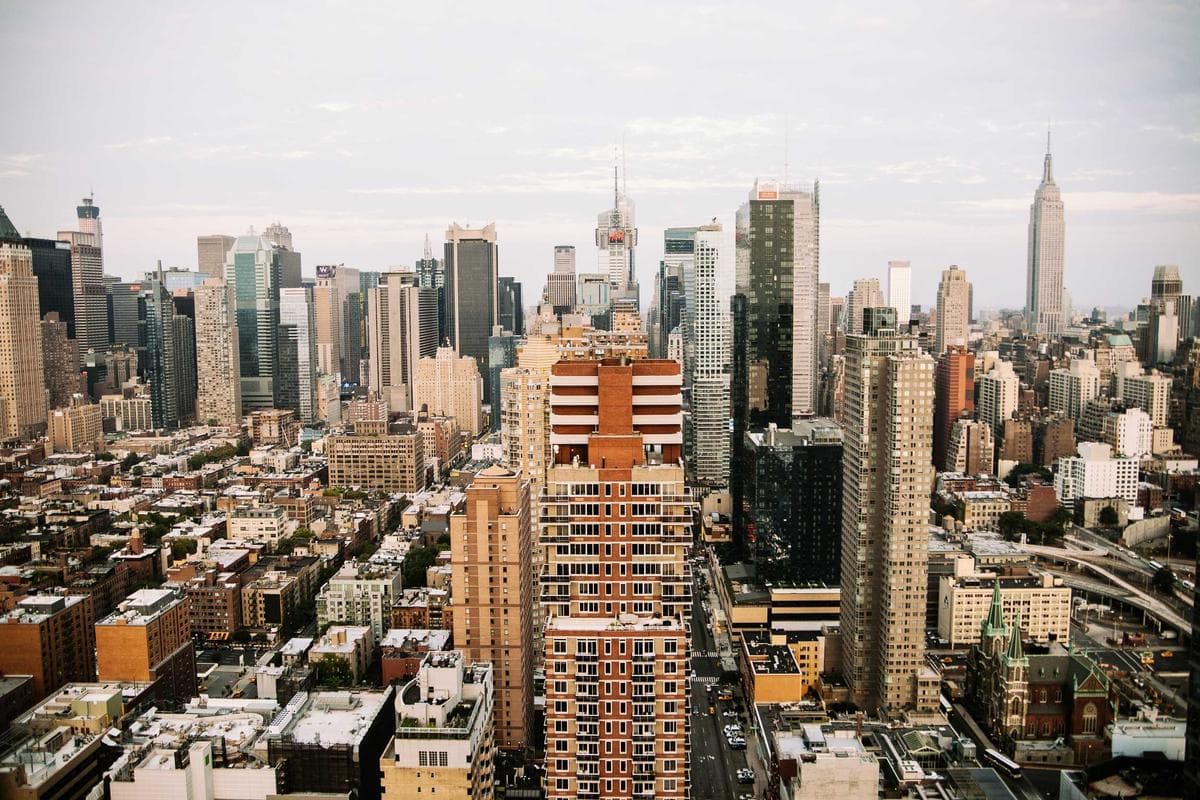
KARYU is one of those restaurants that instantly changes how people talk about a neighborhood. Miami's Design District already had luxury, celebrity gravity, and plenty of expensive dining rooms. What it did not have was a tiny wagyu-first counter tied directly to a Michelin-starred Tokyo original.
That is why KARYU matters. It is not just another high-end Japanese opening. It is a very specific proposition: a small, intensely curated tasting experience built around Tajimaguro wagyu, seasonal progression, and the kind of hushed precision that makes diners feel like they are buying access to a ritual, not just a meal.
Why KARYU Matters in Miami Right Now
The official KARYU site is unusually clear about the pitch. This is the U.S. debut of Tokyo's Michelin one-star Oniku Karyu, brought to the Miami Design District by Spicy Hospitality Group and built around a kaiseki-inspired experience where wagyu is the central language.
That alone would be enough to create buzz, but the scarcity is what really turns it into a reservation story. The Miami Design District listing describes an intimate 10-seat omakase-style counter, with seatings limited to Wednesday through Sunday evenings. In a city that loves luxury but often expresses it through giant rooms and loud spectacle, KARYU is selling something narrower and more disciplined.
It also arrives at the right moment. Miami diners have become more comfortable with specialized tasting formats, whether that means sushi counters, chef's-table experiences, or highly focused ingredient showcases. KARYU slots neatly into that appetite, but gives it a beef-first identity that is rarer than the usual fish-driven omakase template.
The Core Idea: Wagyu as the Whole Story
Plenty of fancy restaurants serve good beef. KARYU is different because beef is not one luxury ingredient among many. It is the organizing principle.
According to the Design District listing, the restaurant uses Tajimaguro wagyu sourced from Ueda Chikusan, a family-run ranch in Hyogo Prefecture, and positions itself as the only restaurant in the United States serving wagyu from that farm. That level of sourcing specificity matters because KARYU is asking diners to care about lineage, texture, and subtle progression the same way they would at a serious sushi counter.
Recent coverage from Time Out Miami and Modern Luxury reinforces the same point. The tasting menu is not trying to bury you in generic opulence. It is trying to show how one ingredient can change across different temperatures, cuts, formats, and seasonal framing.
That is a much stronger concept than simply saying there is expensive wagyu on the menu. It gives the dinner a real point of view.
Chef Background and Tokyo Credibility
KARYU's pedigree begins with Michelin-starred chef Haruka Katayanagi, whose Tokyo restaurant Oniku Karyu earned a Michelin star and built its reputation around a refined beef-centered tasting experience. The Miami version is executed by Katayanagi's protégés from Tokyo, which is an important detail because it suggests technique transfer rather than a loose licensing arrangement.
That connection is one reason diners are treating KARYU seriously instead of filing it under "luxury import" and moving on. Miami gets plenty of polished concepts, but not all of them arrive with a culinary structure that feels this intact.
The restaurant also leans into omotenashi, the Japanese approach to hospitality that values anticipation, precision, and calm care. In practical terms, that means KARYU is not built for rushed table turns or loud room energy. It is built for close attention.
What the Meal Looks Like
KARYU's menu changes with the season, so the exact dishes can move. But the recent press coverage gives a useful outline of what to expect.
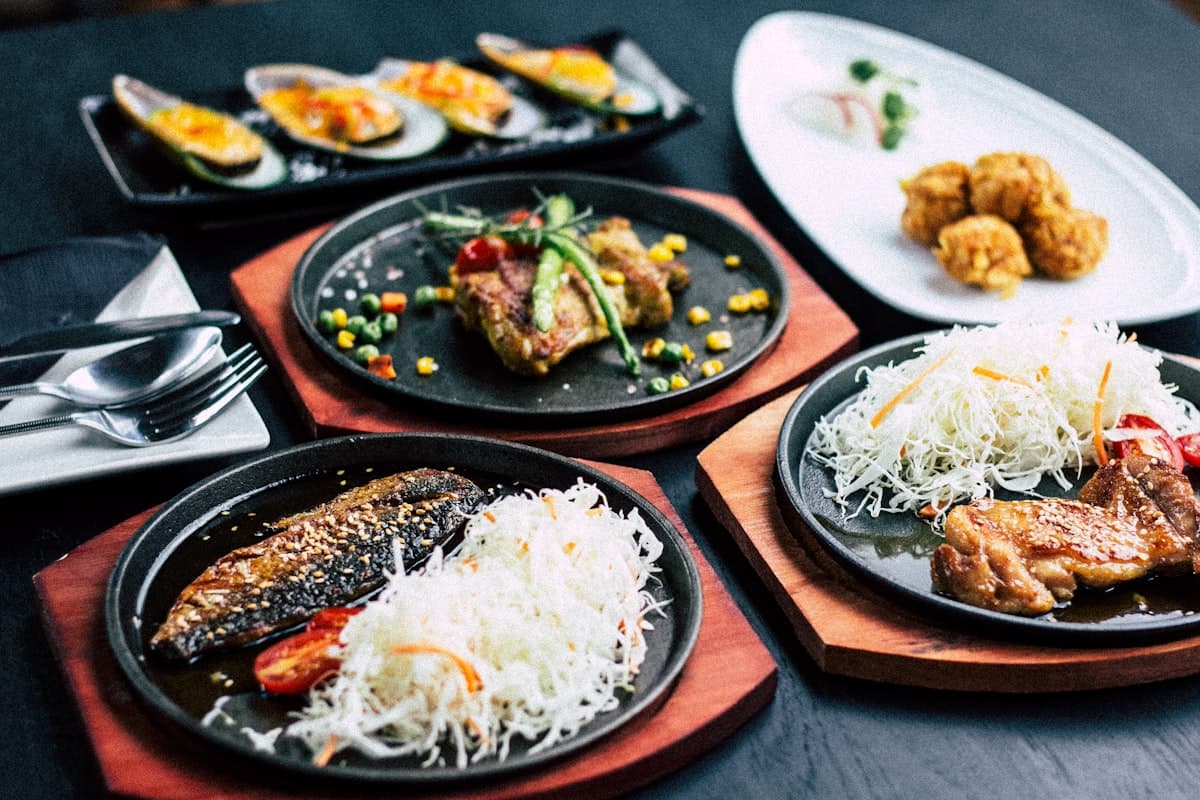
Per Time Out Miami, the experience has included a roughly 10-course structure with the majority of the progression devoted to wagyu-focused preparations. Reports have mentioned dishes like nikusui, a beef broth opener, a wagyu cutlet sandwich, tableside-mixed preparations with shiso and egg yolk, grilled chateaubriand, sukiyaki, tantanmen, and seasonal shaved-ice dessert.
What makes that lineup persuasive is the variation. You are not simply eating several rich bites of beef in a row. You are moving through different textures and temperatures, from broth to fried crunch to direct grilling to noodle comfort. That progression is important because a wagyu-heavy meal can become exhausting fast if the kitchen is not careful.
Everything about the current coverage suggests KARYU understands that risk. The menu sounds structured to keep the richness in balance rather than drown you in it.
The Room, the Vibe, and Who This Is Really For
The easiest mistake would be to think of KARYU as a flashy Miami flex. It is luxurious, yes, but it sounds more composed than performative.
The room is small, the service is close, and the evening is shaped around the counter rather than around a giant scene. That makes KARYU a better fit for diners who enjoy concentration. If your ideal luxury meal involves music, theatrical bottle traffic, and maximal room energy, there are other Miami restaurants built for that. KARYU is for people who want the room to disappear a little so the details of the meal become the event.
That also means it works especially well for a serious date night, a milestone dinner, or the kind of dining friend who gets excited by sourcing notes and chef lineage. It is probably less ideal for big celebratory groups or diners who mainly want to order freely across a wide menu.
How Expensive Is KARYU?
KARYU sits in the top luxury tier of Miami dining. The restaurant site notes a 20 percent service charge, and every other signal around the concept points toward a premium tasting-menu budget.
Even without a fully standardized published menu price in the source material, it is safe to treat this like a splurge reservation. Between the small seat count, imported wagyu focus, Michelin association, and beverage pairing options, this is not the kind of place where you casually decide to drop in after shopping.
That does not mean it is bad value. In fact, KARYU may make more sense than some louder luxury dinners because the spend is tied to a genuinely distinctive format. The better question is not whether it is expensive. It is whether the experience is specific enough to justify the price. On paper, the answer looks like yes.
Reservation Strategy: This Is Exactly the Kind of Table That Gets Annoying Fast
If you are trying to book KARYU manually, the challenge is obvious. There are only a handful of seats, only a few services each week, and the restaurant appeals to exactly the kind of diner who books ahead.
That combination matters more than prestige headlines. Small counters create reservation friction even before they become famous. Once you add the "Tokyo Michelin star comes to Miami" angle, things tighten quickly.
The best move is to treat KARYU like a real target. If you want a prime weekend seating, do not wait until the last second and hope something appears. Go early, stay flexible on day and time, and consider whether a midweek booking would make the table easier to land.
This is also one of the clearest cases for automated monitoring. Restaurants with very limited inventory and a special-occasion audience are exactly where last-minute cancellations matter, and exactly where constant checking becomes deeply annoying.
What Critics and Early Coverage Are Telling Us
The nice thing about KARYU's early press is that it is fairly consistent. InLove Magazine emphasized the restaurant's seasonal discipline and Japanese hospitality philosophy. Time Out Miami highlighted the sophistication of the menu structure and the intimate 10-seat setup. Modern Luxury framed it as a notable arrival in Miami's upper-end dining ecosystem.
No single article alone proves that a restaurant is great, of course. But when the sourcing, chef story, room format, and menu progression all line up across multiple sources, it becomes easier to trust that the concept is coherent.
That coherence is the real selling point. KARYU does not sound like a restaurant trying to be everything. It sounds like a restaurant that knows exactly what it wants to do.
Practical Details
Neighborhood: Miami Design District.
Cuisine: Japanese tasting menu with a strong wagyu focus.
Format: Intimate counter seating, omakase-style progression.
Hours: The Miami Design District listing lists Wednesday through Sunday seatings at 6 p.m. and 9 p.m.
Reservations: Book through official channels. Expect planning ahead to matter.
Service charge: The restaurant notes a 20 percent service charge.
Best for: Serious date nights, celebratory dinners, luxury-food obsessives, and diners who want a highly specific tasting experience.
Is KARYU Worth It?
If you are the kind of diner who just wants a broadly excellent luxury dinner, Miami gives you plenty of easier ways to spend money. But if you want a meal that feels precise, scarce, and genuinely unlike the city's default high-end playbook, KARYU is a compelling answer.
The restaurant has a real chef story, a credible Tokyo connection, unusual ingredient specificity, and the kind of intimate counter format that turns dinner into a focused event. That is enough to make it one of the more interesting reservations in Miami right now.
It may not be for everyone, and that is actually part of the appeal. Restaurants tend to be better when they choose a lane this clearly.
Final Take
KARYU looks built for diners who enjoy the idea of luxury being narrowed rather than expanded. Fewer seats. Fewer distractions. More attention on one ingredient, one progression, one room, one evening.
That clarity is why it stands out. In a city full of restaurants competing to be louder, bigger, and more instantly visible, KARYU wins by being smaller, calmer, and much more exact.
FAQ
Is KARYU in Miami a sushi omakase?
Not in the usual sense. KARYU follows an omakase-style counter format, but its core identity is a wagyu-focused tasting menu rather than a fish-first sushi progression.
Who is behind KARYU Miami?
KARYU is the Miami Design District outpost of Tokyo's Michelin one-star Oniku Karyu, associated with chef Haruka Katayanagi and brought to Miami by Spicy Hospitality Group.
How many seats does KARYU have?
Current official descriptions point to about 10 counter seats, which is a big reason reservations are likely to be competitive.
Is KARYU expensive?
Yes. It is a luxury tasting-menu restaurant, and the official site also notes a 20 percent service charge.
What kind of occasion is KARYU best for?
It is best for special-occasion dinners, serious date nights, and diners who enjoy chef-driven tasting menus with a very specific point of view.
Is KARYU hard to book?
It is likely to be, because the seat count is tiny and the concept has the kind of imported Michelin pedigree that drives early demand.
When reservations are gone
Let Resto Mojo keep checking for the table.
Choose the restaurant, date, party size, and time range. Resto Mojo monitors supported booking platforms and can book when a matching opening appears.