Four Kings reservations open on OpenTable three weeks before the dining date at noon Pacific Time. Book at the release, keep the party at six or fewer, and treat prime weekend times as a sprint.
If the calendar is already sold out, monitor cancellations and consider the limited counter line before opening. Four Kings does not promise walk-in entry, so the dependable route remains its official OpenTable listing.
Last verified: August 27, 2026. Release rules can change, so confirm them on the official Four Kings website before planning around a drop.
The Four Kings reservation release, at a glance
- Platform: OpenTable
- Booking window: Three weeks in advance
- Release time: Noon Pacific Time
- Online party limit: Six guests
- Address: 710 Commercial Street, San Francisco, CA 94108
- Current posted hours: Thursday through Sunday, 5:30 p.m. to 11 p.m.
- Cancellation fee or deposit: Not published in the official sources we could verify
- Walk-ins: Limited counter access has been reported, but entry is not guaranteed
The restaurant says that all reservation requests must go through OpenTable, with no exceptions. Its site labels the time zone as PST, but Pacific Time is the safer year-round description because San Francisco observes daylight saving time.
For the shortest path to booking, start at the dedicated Four Kings restaurant page. It keeps the official booking link and core details together.
How to book Four Kings at the release
Count back exactly 21 days from the dinner you want. Be signed into OpenTable before noon Pacific, save a payment method if the platform requests one, and have a narrow set of acceptable times ready.
Search for the smallest party that accurately reflects your group. The restaurant accepts online reservations for parties of six or fewer, and splitting a larger group into separate bookings is not a reliable workaround unless the restaurant explicitly approves it.
Thursday and Sunday generally give you a wider tactical target than Friday or Saturday. An early opening slot or late dinner also removes some of the competition for peak evening tables.
What to do when Four Kings is sold out
Sold out does not always mean finished. Plans change, and an OpenTable slot can return to the calendar when another diner cancels.
Check repeatedly in the final days before service, especially when diners are most likely to firm up their plans. If you would rather avoid manual refreshing, Resto Mojo's restaurant reservation concierge can monitor for a sold-out table without claiming guaranteed inventory or a guaranteed booking.
Flexibility matters more than refresh speed once the original drop has passed. Search one date at a time, accept an early or late seating, and keep the party size small.
Michelin reports that hopeful diners may line up before opening for counter seating. That is a possibility, not an official guarantee. Arrive well before doors open, have a backup nearby, and do not build a special trip around a walk-in gamble.
Why demand is so intense
Four Kings combines modern Cantonese cooking with the energy of a late-night Hong Kong restaurant. Chefs Franky Ho and Mike Long, both Mister Jiu's alumni, built the menu around memory, appetite, and a playful disregard for hushed fine-dining rules.
The Michelin Guide highlights the dry-aged fried squab and claypot rice. KQED's profile captures the Cantopop, Hong Kong nostalgia, and personal story behind the room.
That combination produces unusual demand: serious cooking, a small dining room, only four dinner services each week, and prices that feel more accessible than a long tasting menu. Four Kings also topped the San Francisco Chronicle's 2026 Bay Area restaurant ranking, adding another wave of reservation traffic.
What to order if you get in
The dry-aged fried squab is the signature. It arrives deeply crisp and rich, and it is the dish most closely associated with the restaurant in Michelin coverage.
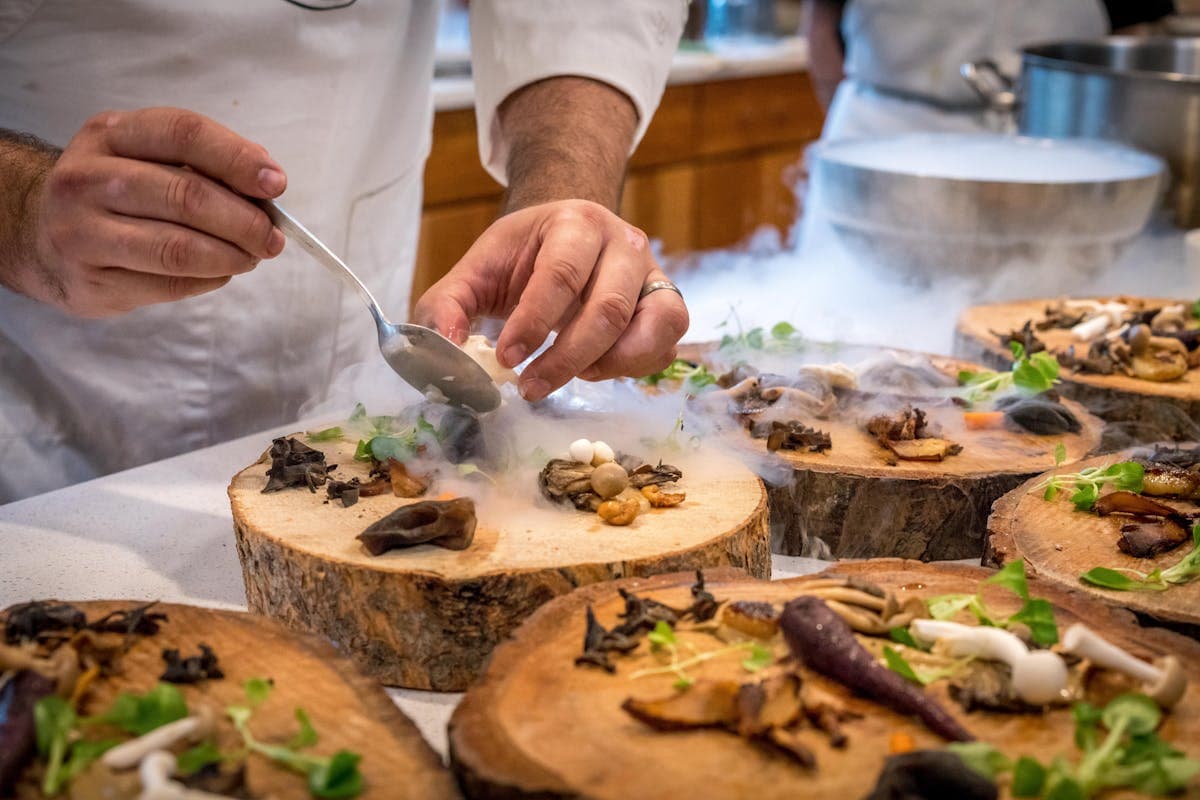
Claypot rice is the other anchor, built around concentrated savory flavor and crisp rice at the edges. Depending on the current menu, look for the restaurant's more playful combinations too, including mapo tofu spaghetti, XO escargot with milk bread, and seafood dishes with Cantonese sauces.
Menus change, so use the official menu for the current lineup. For two people, choose one or two smaller plates, a substantial main, and rice or noodles, then add rather than over-ordering immediately.
The room and the best occasion
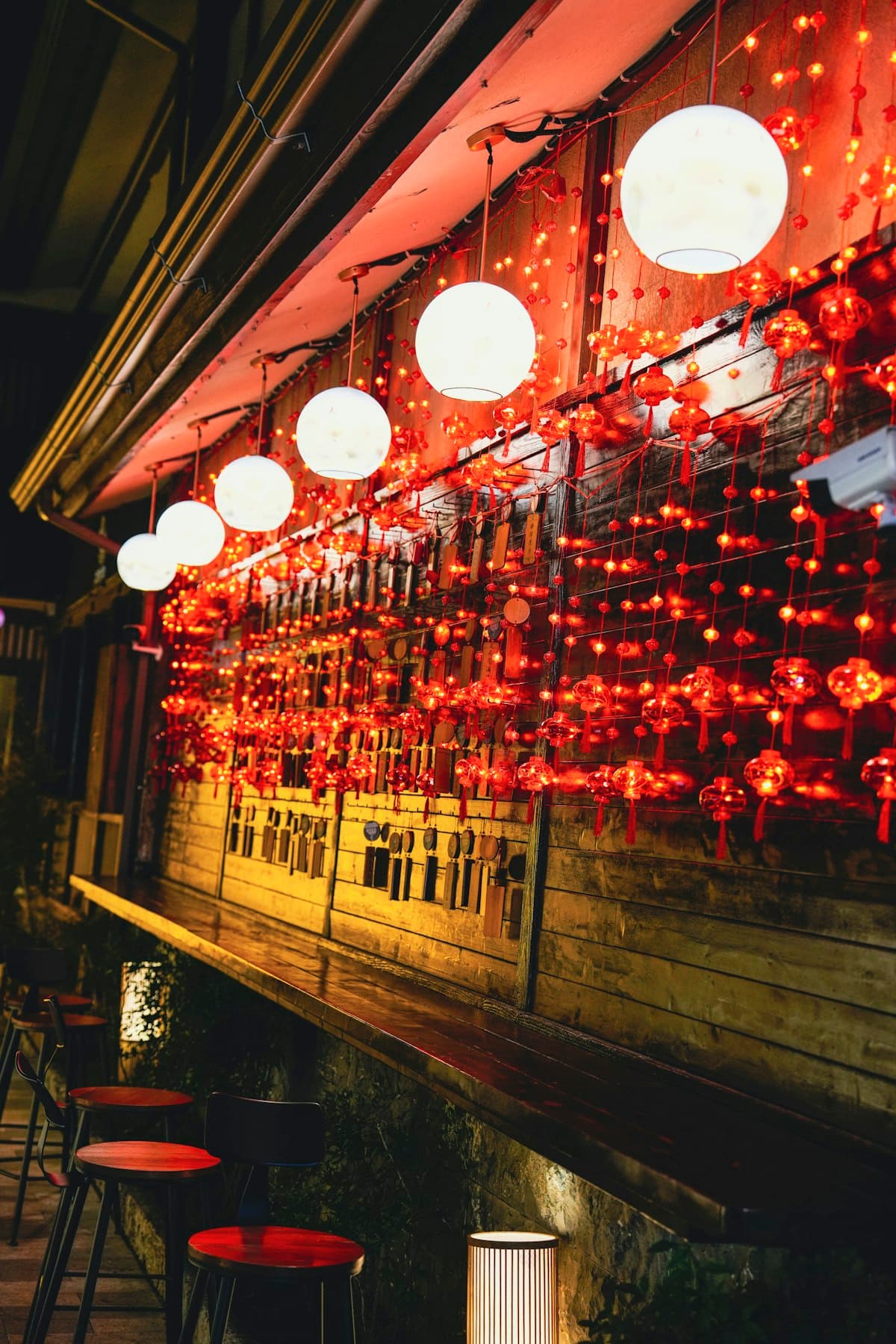
Four Kings is loud, close, and animated. Neon, retro Hong Kong references, and Cantopop make it better for an energetic date or a food-focused night with friends than for a quiet business dinner.
Smart casual clothing is appropriate, but the restaurant does not publish a formal dress code. The experience is driven by the food and room, not ceremony.
Browse the San Francisco restaurant hub if your dates are fixed and you need a strong backup. A flexible second choice is useful because Four Kings availability can disappear within moments.
Practical details
Address: 710 Commercial Street, San Francisco, CA 94108
Neighborhood: Chinatown
Cuisine: Modern Cantonese
Hours: Thursday through Sunday, 5:30 p.m. to 11 p.m.
Reservations: OpenTable
Official site: itsfourkings.com
Booking difficulty: Very high for prime times
We could not verify a public deposit requirement, cancellation deadline, cancellation fee, or formal walk-in policy from current official sources. Review every term shown during checkout because OpenTable may present booking-specific conditions before confirmation.
Four Kings reservation FAQ
When do Four Kings reservations open?
They open three weeks in advance at noon Pacific Time, according to the official restaurant site. Use local San Francisco time and verify the rule before the date you plan to book.
What platform does Four Kings use?
Four Kings uses OpenTable. The restaurant says all reservation requests must go through the platform.
Does Four Kings accept large parties?
The official site says parties of six or fewer are bookable. It does not publish an online path for groups larger than six.
Can I walk into Four Kings?
Michelin reports that diners may line up for limited counter seating before opening, but entry is not guaranteed. The restaurant does not publish a formal walk-in policy on its site.
Is Four Kings Michelin starred?
Four Kings is listed and recommended by the Michelin Guide. A Michelin listing is not the same as holding a Michelin star.
When reservations are gone
Let Resto Mojo keep checking for the table.
Choose the restaurant, date, party size, and time range. Resto Mojo monitors supported booking platforms and can book when a matching opening appears.