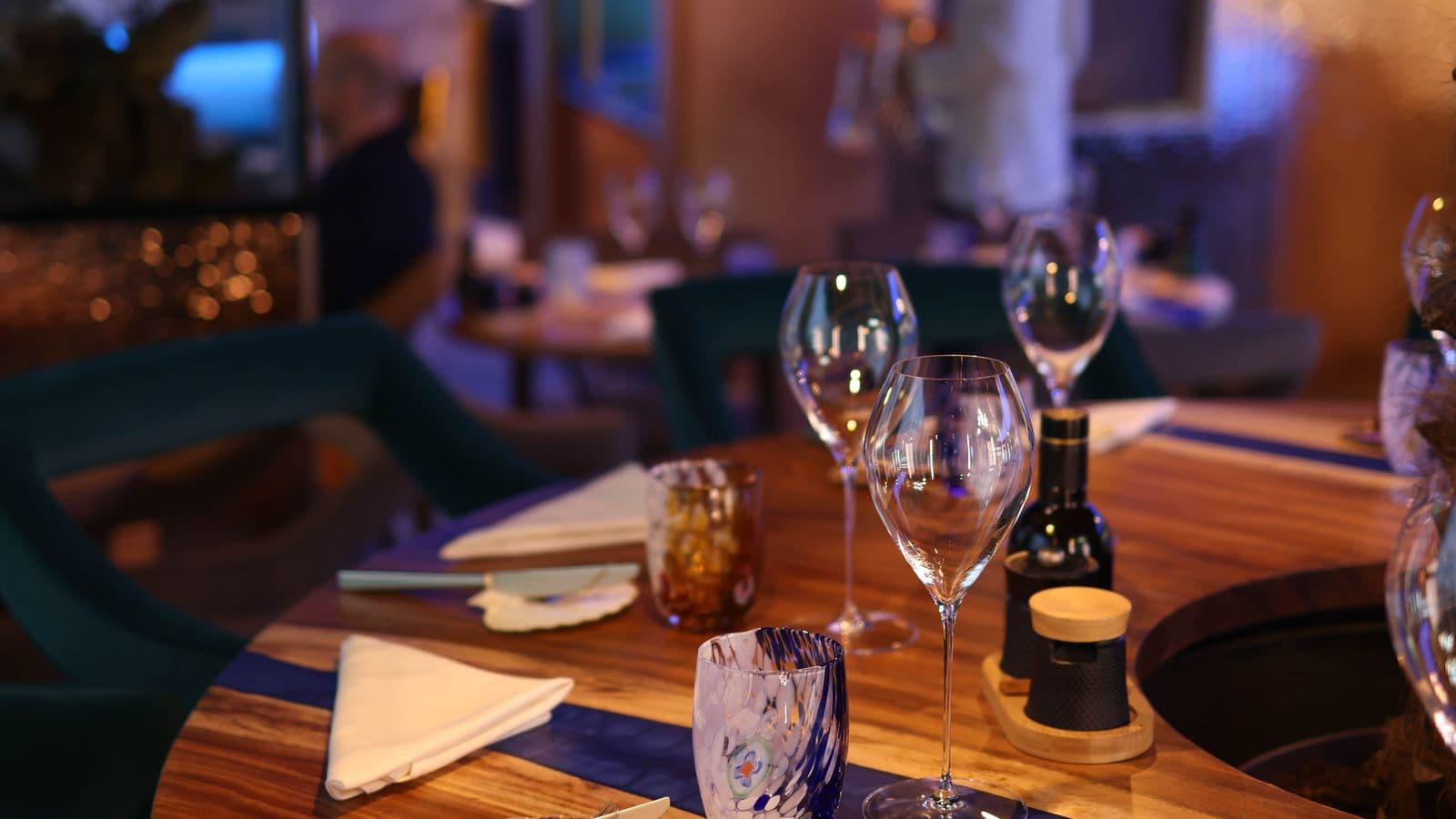
Dōgon DC reservations are released on Resy up to 28 days in advance. Resy requires a credit card and shows searches for one to six guests, plus a separate 7+ Guests option.
Dōgon does not publish a fixed release time. Search as soon as your date enters the 28-day window, but do not assume a midnight or morning drop that the restaurant has not confirmed. The official Dōgon FAQ says reservations are recommended and walk-ins are welcome when space is available.
Booking details last verified: October 6, 2026. Live availability and checkout terms can change, so read the policy attached to your exact table before confirming.
Dōgon reservation facts at a glance
- Official platform: Resy
- Booking window: Up to 28 days in advance
- Published release time: None
- Online party sizes: One to six guests, with a separate option for seven or more
- Credit card: Required
- Walk-ins: Welcome based on availability
- Late arrivals: Service may be shortened, subject to availability
- Standard cancellation fee: Not publicly stated on the pages reviewed
- Hours: Tuesday through Saturday, 5 p.m. to 10 p.m.
- Address: 1330 Maryland Avenue SW, inside The Potomac Hotel
The current Resy page does not publish a universal deposit, cancellation deadline, grace period, or fee. That does not mean your booking has no terms. Review the final Resy screen because a special experience or larger party may carry different conditions.
How to book Dōgon on Resy
Start from the official Dōgon website and follow its Reserve link, or use the Resy listing above. Searching through the official path helps avoid similarly named restaurants and stale third-party booking pages.
Count back 28 days from the dinner you want. Since no official release time is posted, check when the date first appears and again later that day. Friday and Saturday around 7 p.m. are the least flexible targets, so keep a weekday, early seating, or later seating in reserve.
The live Resy selector currently offers one through six guests and a separate route for parties of seven or more. Large groups should use that option rather than splitting into unconnected bookings. If timing matters for a celebration, contact the restaurant instead of assuming adjacent tables can be combined.
Dōgon says same-day reservation assistance is available by phone after 2 p.m. for guests with a confirmed reservation. That number is for help with an existing booking, not a promise that staff can create sold-out inventory.
What to do when Dōgon is sold out
Use Resy Notify for every time you could genuinely accept, then check again during the final few days before dinner. Returned tables can appear quickly, and an alert does not hold one while you decide.
Walk-ins are a real fallback because Dōgon explicitly welcomes them based on availability. Recent Infatuation coverage reports that the compact bar can serve the full menu to parties of up to two, but that is editorial guidance rather than a guaranteed restaurant policy. Arrive near opening, keep the party small, and be prepared for a wait or a no.
If you want help watching for a returned table, Resto Mojo's restaurant reservation concierge can monitor eligible availability. Monitoring cannot create inventory or guarantee a reservation, and an open table can disappear before booking is completed.
The Roti Bar is a different Dōgon reservation
Dōgon also promotes a Roti Bar Experience through an official Salamander release. It is described as a 90-minute communal standing experience near the kitchen, with five rotating food items and two cocktails or mocktails.
The published format is offered on most Fridays and Saturdays at 6 p.m. and 8 p.m. for $75 per person before tax and gratuity. Reservations are sold in blocks of two through Resy Experiences. Since the release page does not show a clear publication date or guarantee every future weekend, confirm that the experience appears for your date before planning around it.
The Roti Bar can be useful when the main dining room is unavailable, but it is not the same product. It is standing, communal, timed, and built around a rotating set menu. Book it because that format sounds appealing, not merely as a substitute for a conventional table.
What is on Dōgon's current menu
The official menu moves through Kwame Onwuachi's Nigerian, Jamaican, Trinidadian, Creole, and wider Afro-Caribbean references in shareable courses. It currently lists snacks such as oxtail patties and oysters escovitch, then small plates including tuna guisado, suya pork belly, Ben's Bowl, carrot tigua, and hoe crab with a plantain hoe cake.
Larger dishes include dry-aged Wagyu ribeye with roti, BBQ chicken with jollof rice, honey pepper duck, curry branzino, and braised Wagyu oxtails. The menu also lists shrimp Creole with coco bread and BBQ greens with cornbread.
The official menu does not currently display prices, so older price estimates should not be treated as a current budget. Dōgon states that dishes arrive when ready and adds 20% gratuity to parties of six or more. Ask the restaurant about current prices, allergy handling, and portion guidance before relying on a fixed per-person estimate.
For a first visit, choose across categories rather than ordering several rich plates from one section. One snack, two smaller shares, and one larger dish can show the kitchen's range, but the right quantity depends on party size and appetite.
Why Dōgon remains a destination
Dōgon sits on the Southwest waterfront inside The Potomac Hotel, close to The Wharf and the National Mall. Its story links surveyor and astronomer Benjamin Banneker with the West African Dogon people, then filters Onwuachi's own background through the food, room, and drinks.
The restaurant's official accolades list includes Esquire's Best New Restaurants in America 2024, TIME's World's Greatest Places 2025, Bon Appétit's 20 Best Restaurants of 2025, and North America's 50 Best Restaurants 2025. The Michelin Guide also lists Dōgon and describes its tightly edited African and Caribbean-inspired menu.
That recognition keeps Dōgon relevant beyond opening-season hype. The practical reason to plan early is not celebrity alone. There is one dinner service, five nights a week, plus demand from hotel guests, local celebrations, and visitors who want a current D.C. destination.
Location, dress code, and practical details
Dōgon is at 1330 Maryland Avenue SW inside The Potomac Hotel. The official site says dinner runs Tuesday through Saturday from 5 p.m. to 10 p.m.
Its dress guidance is unusually broad: “Come as you are, dressed to impress.” That leaves room for personal style rather than imposing a formal jacket rule. Elevated smart casual fits the room, but the restaurant does not publish a stricter garment checklist.
Browse the Resto Mojo restaurant directory for more official booking paths, or use our Washington D.C. hardest reservations guide to compare release windows and walk-in fallbacks. Resto Mojo does not currently publish a dedicated Washington D.C. city hub, so this guide links to the broader directory rather than inventing one.
Dōgon DC FAQ
When do Dōgon reservations open?
Dōgon accepts reservations on Resy up to 28 days in advance. Neither Dōgon nor its current Resy page publishes a fixed release time.
Does Dōgon accept walk-ins?
Yes, based on availability. A walk-in is never guaranteed, so arriving near opening with a small party gives you a more practical fallback than expecting a prime table later in the evening.
What is Dōgon's cancellation policy?
The public pages reviewed do not state a universal cancellation deadline or fee. Read the terms shown for your exact Resy booking before confirming.
How much does Dōgon cost?
The current official dining-room menu does not publish prices. The separate Roti Bar Experience is listed at $75 per person before tax and gratuity, while Dōgon adds 20% gratuity to dining-room parties of six or more.
Does Dōgon have a dress code?
Dōgon says, “Come as you are, dressed to impress.” It welcomes personal style and does not publish a formal jacket or tie requirement.
Where is Dōgon located?
Dōgon is inside The Potomac Hotel at 1330 Maryland Avenue SW, near The Wharf and the National Mall.
When reservations are gone
Let Resto Mojo keep checking for the table.
Choose the restaurant, date, party size, and time range. Resto Mojo monitors supported booking platforms and can book when a matching opening appears.