Something remarkable is happening in Mexico City's restaurant scene right now. The city's top chefs aren't just earning global recognition anymore. They're exporting it.
Gabriela Cámara's Contramar, the legendary Colonia Roma seafood spot, is about to open an outpost at the Fontainebleau in Las Vegas on March 28. Nine Mexico City restaurants now sit on the World's Top 1000 list. And names like Enrique Olvera, Jorge Vallejo, and Elena Reygadas are being mentioned in the same breath as the world's most celebrated culinary minds.
This isn't a trend. It's a takeover. Here are the CDMX restaurants driving it.
Contramar: The Icon Goes International
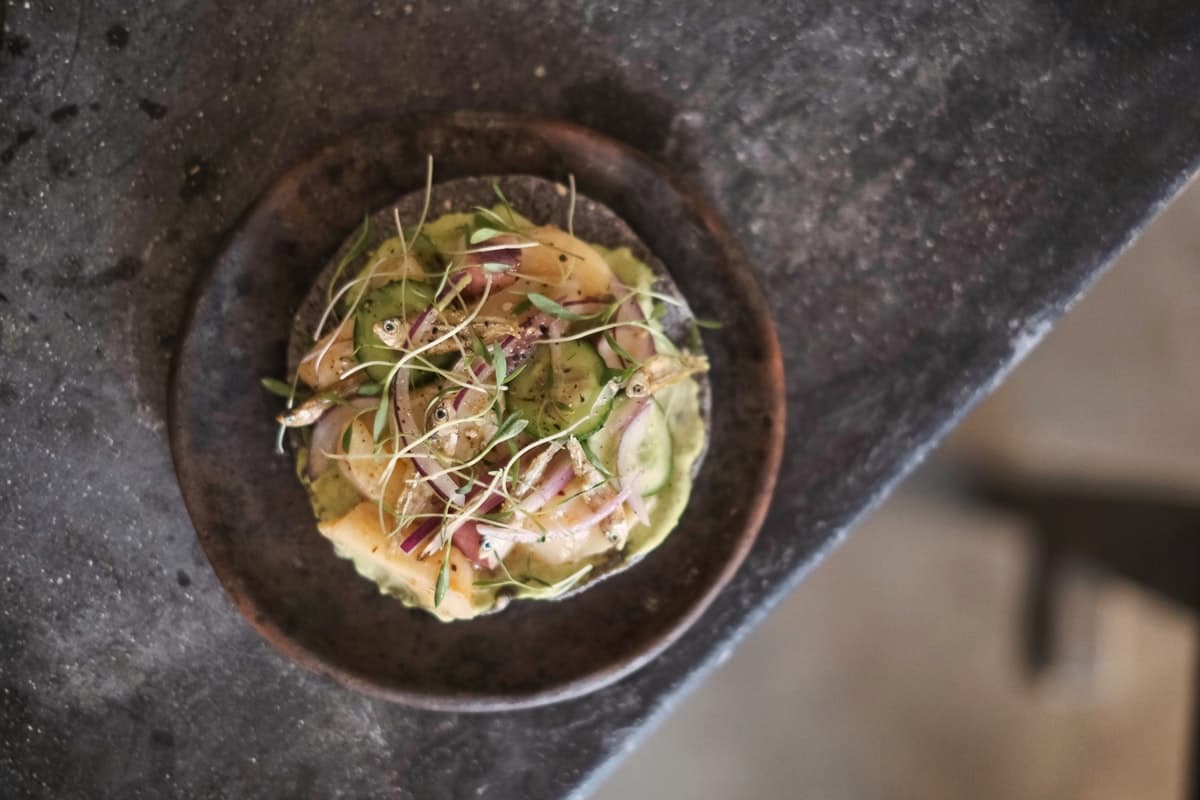
If one restaurant defines Mexico City dining for both locals and visitors, it's Contramar. Gabriela Cámara opened the Colonia Roma spot decades ago, and it's never lost its magic. The grilled whole fish painted in red and green sauces, the tuna tostadas, the bustling lunch scene where tables of power brokers sit next to wide-eyed first-timers.
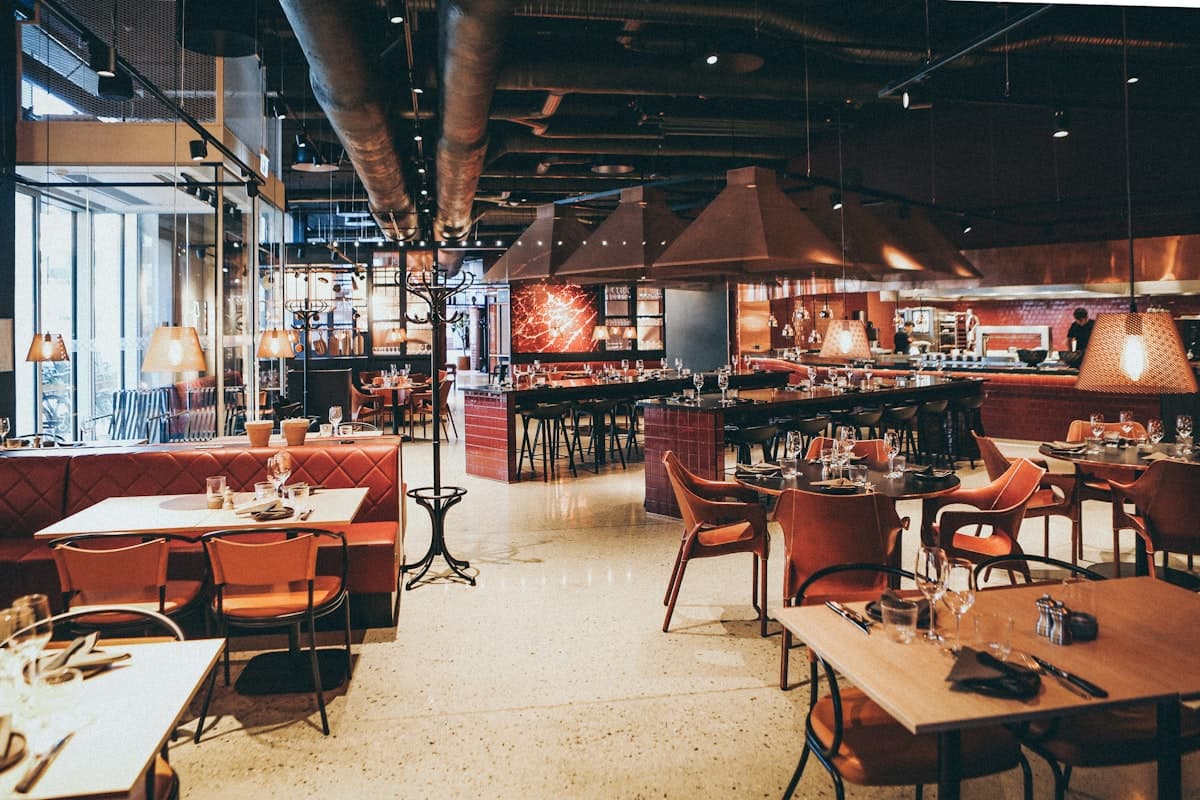
Now Cámara is bringing Cantina Contramar to the Las Vegas Strip, with a March 28 opening at the Fontainebleau. The space was designed by Pritzker Prize winner Frida Escobedo, featuring aguachiles, seafood platters, and the cantina energy that makes the original so electric. The restaurant already holds a Michelin Bib Gourmand.
Why it matters: This is Mexico City's culinary culture being packaged for the world stage, not watered down but amplified.
The details: Colonia Roma, lunch service only (the original). Expect a wait, no reservations accepted. Budget around $40-60 per person. Sister restaurant Entremar offers the same menu with a calmer vibe if the line is too long.
Pujol: Still the Pinnacle
Enrique Olvera's Pujol doesn't need introduction, but it keeps earning new ones. The restaurant has climbed to the top of virtually every global ranking, with its progressive Mexican tasting menus that treat corn, mole, and chili as ingredients worthy of the same reverence fine dining gives to truffles and caviar.
The signature mole madre, which layers a fresh mole over one aged for over 1,600 days, remains one of the most iconic dishes on the planet. The taco omakase at the separate bar seating is one of the best experiences in the city for those who can't snag a dining room reservation.
Why it matters: Olvera essentially created the blueprint for modern Mexican fine dining. Every chef on this list owes something to the path he carved.
The details: Polanco. Tasting menus run $250-350 per person. Reservations are extremely difficult, book 4-6 weeks ahead. The bar omakase is slightly easier to access and equally memorable.
Quintonil: Two Stars and Counting
Jorge Vallejo and Alejandra Flores built Quintonil around an obsession with Mexican biodiversity. The restaurant holds two Michelin stars and sources from a network of small farmers and foragers who supply ingredients most diners have never encountered.
Each tasting menu reads like a geography lesson in Mexico's terroir. Dishes highlight heirloom corn varieties, wild herbs from Oaxaca, and seafood from both coasts. Vallejo's cooking feels both deeply traditional and quietly radical.
Why it matters: Where Pujol pushed Mexican cuisine into the avant-garde, Quintonil proved that sophistication could come from honoring the land itself.
The details: Polanco. Tasting menus around $200-300 per person. Book well in advance. The curated wine pairing with Mexican and natural wines is worth the upgrade.
Rosetta: Where Italy Meets Mexico
Elena Reygadas might be the most versatile chef in Mexico City. At Rosetta in Colonia Roma, she blends Italian technique with Mexican ingredients in ways that feel completely natural. House-made pastas with huitlacoche, wood-fired breads using heritage grains, and dishes that shift with the seasons.
Her bakery, Panadería Rosetta, has become a destination in its own right. But the main restaurant remains the crown jewel, set in a gorgeous colonial house with a garden that makes you forget you're in one of the world's largest cities.
Why it matters: Reygadas proved that Mexican fusion doesn't have to mean compromise. It can mean elevation.
The details: Colonia Roma. Mains run $30-60. Reservations recommended but not as brutal as Pujol or Quintonil. Lunch is especially lovely with natural light flooding the dining room.
Sud 777: The South Side Standout
Tucked in the Pedregal neighborhood about 30 minutes south of the Centro/Roma corridor, Sud 777 rewards the journey. Chef Edgar Nuñez builds his menus around sustainable, seasonal ingredients with a focus on Mexican produce and creative technique.
The tasting menus change frequently, and the generous portions make it feel less precious than some of the Polanco fine dining spots. The terrace seating under olive trees is one of the most pleasant dining environments in the city.
Why it matters: Sud 777 proves Mexico City's culinary excellence extends well beyond the Roma-Condesa-Polanco triangle.
The details: Pedregal (south CDMX). Tasting menus from around $150. Average dinner around $75 per person. Strong vegan options available. Reservations recommended on weekends.
Bakéa: The Mexican-Basque Experiment
One of the more unexpected entries on the World's Top 1000, Bakéa fuses Mexican and Basque cuisines in ways that shouldn't work but absolutely do. Think local seafood treated with pintxo sensibility, mole elements worked into rich, wine-friendly plates, and a dining room that buzzes with creative energy.
It's the kind of restaurant that food journalists love to champion because it takes genuine risks. The wine list leans into natural and Spanish selections that complement the hybrid menu beautifully.
Why it matters: In a city where traditional Mexican cuisine dominates the conversation, Bakéa represents the adventurous edge of what's possible.
The details: Reservations recommended. Small plates and tasting format. Budget $150-250 per person depending on wine. Best experienced with a group so you can try more of the menu.
Almara: Nikkei With a Mexican Accent
Almara brings the Nikkei tradition (Japanese-Peruvian fusion) to Mexico City and adds its own coastal Mexican twist. Chef Gibrán Sanchez works with Pacific seafood to create ceviches, tiraditos, and cooked dishes that feel genuinely original rather than derivative.
The restaurant has been climbing rankings quickly, and for good reason. It fills a niche that Mexico City's dining scene was missing: refined, seafood-forward fusion that doesn't lean too heavily on any single tradition.
Why it matters: It represents the next generation of Mexico City dining, where influences from across the Americas and Asia collide on a single plate.
The details: Contemporary setting, reservations recommended. Mains run $40-70 per person. The ceviche tasting is a great entry point if you're visiting for the first time.
Why This Matters for the Rest of Us
Mexico City's chefs aren't just cooking great food. They're building a culinary identity that's being recognized globally and, increasingly, exported. Contramar in Vegas is just the beginning. Olvera already has Cosme and Atla in New York. Reygadas's influence shows up in kitchens across Latin America.
For diners, this means two things. First, Mexico City remains one of the best food cities on Earth, period. Second, the window for experiencing these restaurants before they become even harder to book is closing.
The smart move? Start planning your CDMX food trip now. Build your itinerary around two or three of these spots, and fill in the gaps with the taquerías, market stalls, and neighborhood gems that make this city endlessly rewarding.
Practical Tips for Booking
Reserve early for Pujol, Quintonil, and Contramar (if you want a guaranteed seat at Entremar). Four to six weeks ahead is ideal for the fine dining spots. Rosetta and Sud 777 are manageable with a week's notice.
Lunch is often easier than dinner at most of these restaurants. Mexico City's dining culture skews toward long, leisurely afternoon meals anyway, so you'll be eating like a local.
Consider hiring a local food guide for your first day to get oriented. The city's food scene is vast, and the best street food spots rarely show up on Google Maps.
FAQ
How far in advance should I book restaurants in Mexico City?
For top-tier spots like Pujol and Quintonil, book 4-6 weeks ahead. Mid-range restaurants like Rosetta and Sud 777 can often accommodate with 1-2 weeks notice. Contramar doesn't take reservations, so just show up early for lunch.
Is Mexico City safe for food tourists in 2026?
The main dining neighborhoods (Roma, Condesa, Polanco, Centro Histórico) are well-traveled and generally safe. Use common sense, stick to rideshare apps for transportation at night, and you'll have a great time.
What's the best neighborhood for restaurant hopping in CDMX?
Colonia Roma and Condesa are ideal for walkable restaurant hopping, with Contramar, Rosetta, and dozens of excellent casual spots within blocks of each other. Polanco has the high-end fine dining concentration (Pujol, Quintonil).
How much should I budget for a fine dining meal in Mexico City?
Expect $200-350 per person at the top tasting menu restaurants (Pujol, Quintonil) including wine pairing. Mid-tier spots like Rosetta and Sud 777 run $60-150. The value compared to equivalent quality in New York, Paris, or Tokyo is remarkable.
Can I do a food trip to Mexico City on a budget?
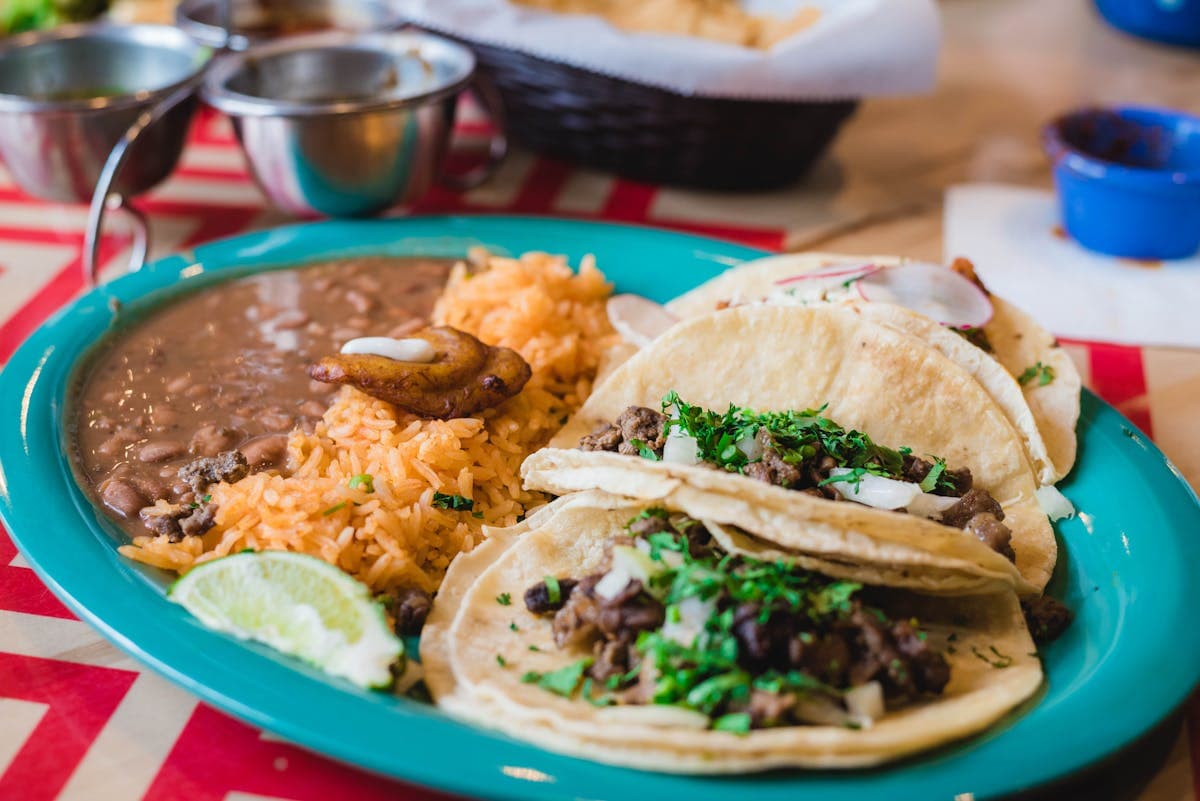
Absolutely. The street food and market scene is legendary and dirt cheap. You can eat incredible tacos, tlacoyos, and tamales for under $5 a meal. Mix in one or two splurge reservations and you'll have the best of both worlds.
When reservations are gone
Let Resto Mojo keep checking for the table.
Choose the restaurant, date, party size, and time range. Resto Mojo monitors supported booking platforms and can book when a matching opening appears.