Kiyomi DC dinner reservations are released on Resy two weeks ahead at 1 PM. The restaurant does not state a time zone, so Eastern Time is the practical assumption for its Washington location, not a published guarantee.
Dinner is a reservation-only, seasonal 15-course omakase for $135 per guest. Lunch is the easier route: Kiyomi welcomes walk-ins and takeout, with a $40 set of seven nigiri, one hand roll, and miso soup.
Booking details last verified: October 23, 2026. Kiyomi's live Resy listing does not publish regular hours, a deposit, a grace period, or a policy for changing a reservation. Check the terms attached to your exact table before confirming.
Kiyomi reservation facts at a glance
- Official booking platform: Resy
- Release cadence: Two weeks in advance at 1 PM
- Time zone: Not stated by Kiyomi; Eastern Time is an assumption
- Online party size: One to six guests
- Private buyouts: Available for 10 to 16 guests by contacting Kiyomi through the email shown on Resy
- Dinner format: Seasonal 15-course omakase with miso soup and dessert
- Dinner price: $135 per guest
- Cancellation and no-show policy: The full $135 per guest inside 24 hours or for a no-show
- Lunch: Walk-in dining and takeout, with a $40 set currently highlighted by Resy
- Dinner walk-ins: No. Resy describes dinner as reservation-only
- Dress code: Smart casual or business casual
- Address: 1895 L Street NW, at 19th and L Streets
Kiyomi has no standalone website linked from its current Resy record. Use the venue page above rather than an old listing for its former food hall location.
How to book Kiyomi DC on Resy
Count back 14 days from the dinner you want, sign in to Resy before 1 PM, and search for the smallest party size that honestly fits your group. Kiyomi's online range is one to six guests, and its 16-seat counter leaves little room for a large party to be split across prime inventory.
The live calendar checked on October 23 showed reservation inventory on Friday, October 23 and Friday, October 30. Other dates through November 4 were closed. That is a dated snapshot, not proof of a permanent Friday-only schedule, so rely on the live calendar rather than an older press timetable.
At opening, Washingtonian reported one Friday dinner seating for up to 10 guests. The restaurant's current Resy page no longer states a recurring seating day or time. This is exactly why the current venue policy should outrank launch-era coverage.
What to do when Kiyomi is sold out
Set Resy Notify for every date and time you can genuinely accept. An alert is not a held table, so keep your Resy account ready and act quickly when inventory appears.
Check again shortly before Kiyomi's 24-hour cancellation deadline. A late cancellation can cost the original diner the full $135 menu price, which may push changes to the calendar before service. Returned inventory is never guaranteed, but this is a more useful moment to look than repeatedly refreshing one distant date.
If your plans are flexible, use lunch as the walk-in alternative. Kiyomi explicitly welcomes lunch walk-ins, while dinner is reservation-only. That distinction is more reliable than trying to guess whether an empty counter seat will become available at night.
Resto Mojo's restaurant reservation concierge can monitor eligible supported restaurants for matching openings. Monitoring cannot create inventory, bypass Kiyomi's policies, or guarantee a reservation.
The $135 dinner and $40 lunch
The current dinner is a seasonal 15-course omakase with miso soup and dessert. Resy lists it at $135 per guest. The exact fish and sequence can change, so a launch menu should not be treated as the current menu.
Lunch is deliberately more approachable. Resy's current editorial description highlights seven pieces of nigiri, one hand roll, and miso soup for $40. Kiyomi also welcomes takeout at lunch, though the venue page does not publish regular lunch hours.
Washingtonian covered the $40 lunch when the standalone counter opened. PoPville documented the move from Kiyomi's earlier food hall setup to 1895 L Street NW. Those reports explain the restaurant's origin, while Resy supplies the current booking rules and prices.
Why chef Masaaki Uchino matters
Chef Masaaki "Uchi" Uchino is a Sushi Nakazawa alum who spent years working with high-end omakase before making the format more accessible. Eater's profile of Uchino describes how he adapted traditional cutting, curing, and pickling techniques for diners who were newer to omakase.
That background helps explain Kiyomi's two-track format. Lunch is fast, walk-in friendly, and comparatively affordable. Dinner is intimate, reservation-only, and built as a full chef's-counter experience.
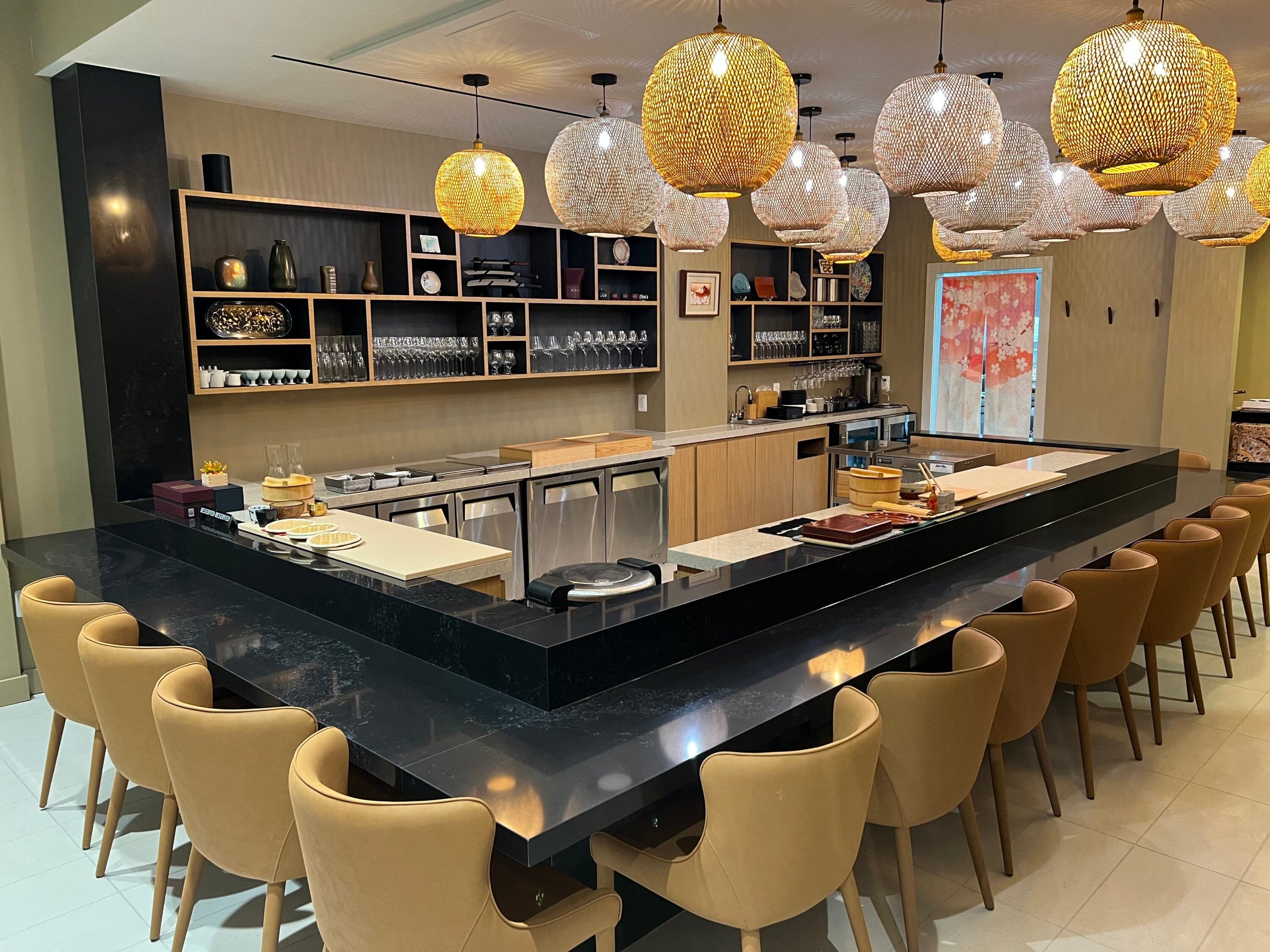
The room itself is compact. Washingtonian reported 16 counter seats when the standalone restaurant opened in April 2026. That physical limit, more than vague hype, is the practical reason to prepare for the two-week drop.
Practical details and verification gaps
Kiyomi is at 1895 L Street NW in downtown Washington. The current Resy listing says street parking is available and mentions a discounted, paid 24-hour garage in the same building.
Smart casual or business casual is the published dress guidance. Kiyomi does not currently list a phone number, menu URL, regular opening hours, deposit, grace period, or reservation-change policy on its venue page.
Browse the Resto Mojo restaurant directory for other reservation options, or compare Kiyomi with our Maru San guide and hardest D.C. reservations roundup. Resto Mojo does not currently publish a dedicated Washington D.C. city hub, so this page links to the broader restaurant hub instead of inventing one.
Kiyomi DC FAQ
When do Kiyomi reservations open?
Kiyomi says dinner reservations open two weeks in advance at 1 PM on Resy. The restaurant does not state a time zone, so confirm the live calendar before relying on Eastern Time.
How much is dinner at Kiyomi?
The seasonal 15-course omakase costs $135 per guest and includes miso soup and dessert. Drinks, tax, and any gratuity are additional unless the checkout states otherwise.
What is Kiyomi's cancellation policy?
Cancelling inside 24 hours or failing to arrive can incur the full $135 omakase cost for each guest. Review the exact terms before booking because policies can change.
Does Kiyomi accept walk-ins?
Yes for lunch, when Kiyomi welcomes walk-in dining and takeout. Dinner is reservation-only.
Can I book Kiyomi for a large group?
Standard online reservations cover one to six guests. Kiyomi offers private buyouts for 10 to 16 guests through the contact email published on its Resy page.
What should I wear to Kiyomi?
Kiyomi publishes smart casual or business casual guidance. There is no need to invent a stricter rule than the restaurant states.
When reservations are gone
Let Resto Mojo keep checking for the table.
Choose the restaurant, date, party size, and time range. Resto Mojo monitors supported booking platforms and can book when a matching opening appears.