Some San Francisco restaurants become famous by overwhelming the city. 3rd Cousin built its reputation in a quieter, more convincing way.
It lives in Bernal Heights, not in one of the neighborhoods most visitors name first. It does not depend on a giant dining room, an especially theatrical location, or nonstop opening-wave buzz. Instead, it has become one of those tables that serious local diners keep bringing up when someone asks where to go for an actually memorable dinner.
That quiet credibility is exactly why the restaurant stood out again during April 2026's San Francisco Restaurant Week. A $75 dinner menu put a bigger spotlight on chef Greg Lutes' cooking, and it reminded a lot of people that 3rd Cousin is not just a neighborhood gem. It is one of the city's smartest special-occasion reservations.
If you are wondering whether it is worth the effort, the short answer is yes.
Why 3rd Cousin Matters Right Now
The immediate news hook is simple. Restaurant Week created a citywide excuse to look again at chef-driven restaurants that were already strong before the event started. 3rd Cousin was one of the clearest winners of that attention.
It helps that the restaurant already had meaningful credibility. Michelin's listing frames 3rd Cousin as a serious destination for eclectic seasonal cooking, while the official 3rd Cousin website presents it as a Californian restaurant rooted in ingredients, hospitality, and a distinctly personal point of view. A recent Bernal Connect interview with Greg Lutes fills in the human part of the story: a chef who still sounds connected to local farmers, local guests, and the rhythm of the neighborhood.
That combination matters. San Francisco has plenty of restaurants that can impress for a night. Far fewer feel like they are expressing an actual worldview.
The Chef Behind the Restaurant
3rd Cousin is chef-owner Greg Lutes' restaurant, and his background explains a lot about why the place feels more grounded than trendy. According to his official bio, Lutes grew up in Illinois, trained at Kendall College in Chicago, and cooked in ambitious kitchens including Daniel in New York and Everest in Chicago before eventually making his mark in San Francisco.
Before opening 3rd Cousin, he built local momentum with a pop-up called Kinfolk. That history still shows in the restaurant's tone. This is not a concept assembled by branding people. It feels like the work of a chef who spent years building toward a room that could hold his whole style together.
The Bernal Connect interview is especially useful because it makes clear how much Lutes still thinks through sourcing, seasonality, and long-term supplier relationships. He talks about shopping the Ferry Building Farmers Market, working with fishers and farmers he trusts, and changing the menu with the ingredients rather than forcing ingredients into a prewritten idea.
That kind of language can sound generic when chefs use it lazily. Here, it rings true because the restaurant's food reflects it.
The Concept
3rd Cousin is usually described as Californian, which is accurate but incomplete.
Yes, the restaurant is rooted in Bay Area produce and seasonality. But it is not locked into a rigid localist style. The food often feels more wide-angle than that. You can see fine-dining training in the structure, but the flavor combinations are willing to wander. The result is a restaurant that feels polished without becoming predictable.
That is one of its strongest advantages in San Francisco. The city has plenty of precise tasting-menu restaurants, but some can drift toward sameness if all the refinement starts to blur together. 3rd Cousin stands out because it feels both chefly and alive.
What the Food Is Like
The menu changes, which is part of the point, but there are still a few patterns worth understanding before you book.
Michelin and Bernal Connect both point toward a style built on produce, seafood, and an appetite for dishes that balance elegance with a little eccentricity. One of the best-known examples is the restaurant's uni crème brûlée, a dish that sounds like it should be a dare and instead reads as the kind of savory-luxury flex people remember weeks later.
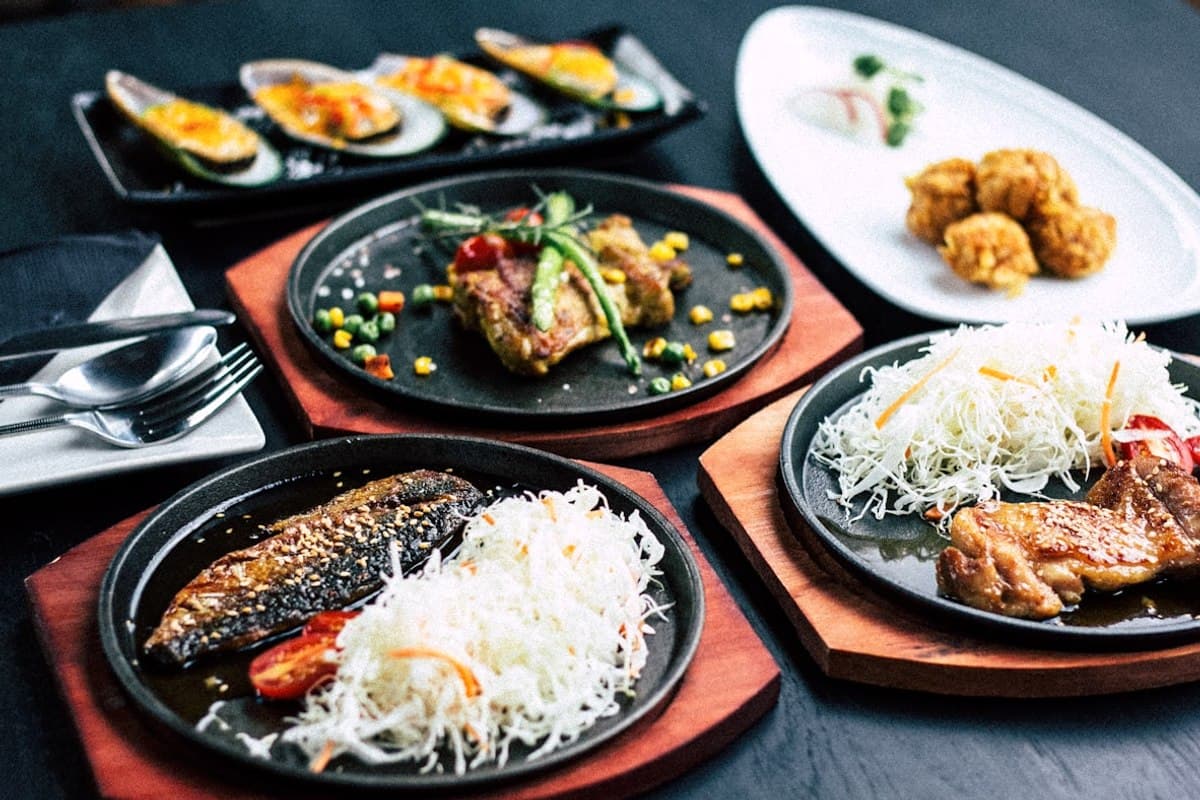
The restaurant also leans into pasta, risotto, fish, and tasting-menu dishes that shift with the market. You should expect California ingredients, but not necessarily California restraint. There is enough richness and enough imagination here to make the meal feel bigger than a simple farm-to-table exercise.
What to Order
Because the menu moves, the best strategy is to think in categories rather than fixating on one exact dish.
Start with whatever sounds most idiosyncratic. If uni crème brûlée is available, order it. The whole point of coming to a restaurant like this is to let the chef show a little personality.
Do not skip the seafood. The kitchen clearly understands delicacy and texture, and seafood is often where that shows most clearly.
Treat the tasting menu seriously. Bernal Connect noted that roughly 40 percent of diners opt for it, and that makes sense. At a restaurant this chef-led, surrendering some control is often the smarter move.
Leave room for dessert. A place with this much attention to structure usually finishes strong, and you want the full arc.
The Room and the Vibe
3rd Cousin's room matters because it helps explain why the restaurant has such loyal advocates.
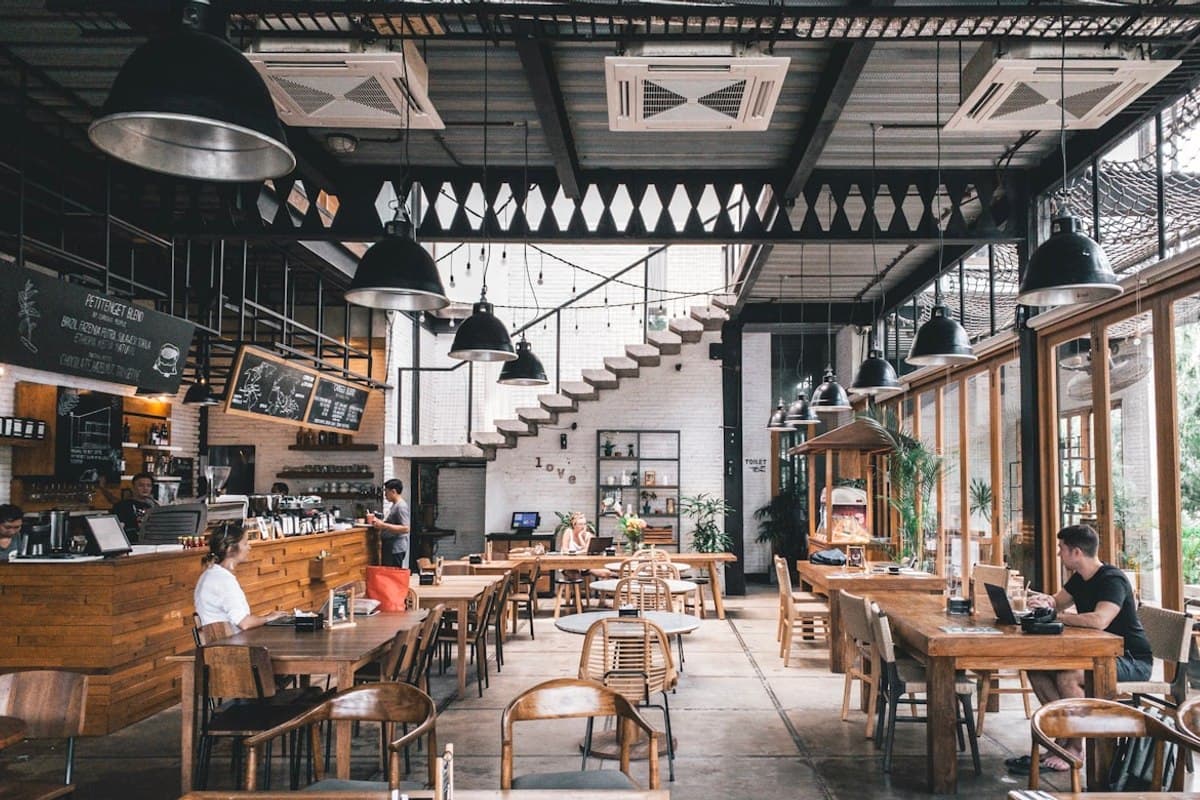
The official site leans into warmth, community, and the idea of treating guests like family, which could sound vague if the space did not support it. But by all accounts, the dining room really does land in that sweet spot between intimate and polished. It is romantic enough for a date, relaxed enough to keep things from feeling ceremonious, and serious enough that food-focused diners will feel they are in the right place.
This is not a see-and-be-seen room. It is a settle-in room.
That distinction is useful. In a city where some reservations are powered almost entirely by scene, 3rd Cousin remains one of the best examples of a place people chase because they actually want the meal.
How Expensive Is It?
3rd Cousin is firmly in special-occasion territory, even if exact pricing shifts with menu format and season.
The Restaurant Week listing put its April 2026 dinner at $75, which was a strong value for a chef-driven restaurant of this caliber. Outside that event context, you should expect a fine-dining spend rather than a casual neighborhood drop-in. Michelin also frames it as a destination meal, which is the right mindset.
In practice, this means 3rd Cousin makes the most sense when you want a dinner that earns a little planning. It is not the kind of place you choose because everyone happened to be nearby and hungry.
Reservations: How Hard Is It?
Hard, but not impossible.
One of 3rd Cousin's weird advantages is that it still flies just low enough beneath tourist radar to feel a bit more attainable than the loudest SF obsession tables. At the same time, it is small, chef-driven, and genuinely admired, which means good prime-time reservations can disappear quickly.
Michelin's booking page links directly to reservations, and that is usually the cleanest place to start.
Best Booking Strategy
Go for Tuesday through Thursday. A restaurant this intimate gets tougher on Friday and Saturday.
Book for two if possible. Smaller parties have the easiest path.
Use alerts. Restaurants like this often release surprise inventory through cancellations rather than broad open drops.
Be flexible on time. An early or later seating can make a big difference.
Who Should Eat Here
3rd Cousin is especially good for a few kinds of diners.
Date-night people who care more about the meal than the scene. The room is romantic, but in a calm, grown-up way.
Locals who think they have already done San Francisco. If your shortlist has gotten stale, this is the kind of restaurant that can refresh your sense of what the city still does well.
Visitors with one splurge dinner outside the obvious neighborhoods. Bernal Heights is worth the detour when the destination is this strong.
Ingredient obsessives. Greg Lutes' sourcing philosophy is not abstract. It is central to the restaurant.
What Critics and Locals Say
The Michelin Guide praises the restaurant's eclectic seasonal cooking and places it squarely in the serious-dining conversation.
The official site emphasizes hospitality and Californian ingredients, which tracks with the broader identity of the place.
The Bernal Connect interview adds the local dimension that many restaurant writeups miss. It shows a chef who is thinking about neighborhood, sourcing, and continuity, not just novelty.
Taken together, those sources make a pretty convincing case. 3rd Cousin is not valuable because it is loud. It is valuable because it is durable.
How It Compares to Other San Francisco Reservations
Compared with La Mar, 3rd Cousin is more intimate, more chef-led, and much less about spectacle.
Compared with Foreign Cinema, it is quieter and more concentrated.
Compared with Flour + Water, it is less about broad crowd-pleasing comfort and more about a guided culinary perspective.
That is helpful if you are choosing where to point your reservation energy. If you want a room with views and group-friendly seafood, book La Mar. If you want a personal chef-driven dinner with a little Bernal Heights charm, 3rd Cousin is the smarter call.
Practical Details
Neighborhood: Bernal Heights
Cuisine: Seasonal Californian
Chef: Greg Lutes
Official site: 3rdcousinsf.com
Reservations: Michelin booking page
Best for: Dates, birthdays, food-focused dinners
Dress code: Smart casual is more than enough
Price point: Special-occasion dinner
FAQ
Is 3rd Cousin one of the best restaurants in San Francisco right now?
If you value chef-driven cooking, intimacy, and a dinner that feels personal rather than performative, yes. It is one of the city's strongest reservations.
What kind of food does 3rd Cousin serve?
It serves seasonal Californian food with fine-dining technique and a willingness to get creative with flavor combinations and textures.
Is 3rd Cousin better for a date or a group dinner?
A date, easily. The room and pacing suit two or four people much better than a big group.
Does 3rd Cousin offer a tasting menu?
Yes, and it is worth considering seriously. A restaurant with this much chef perspective tends to shine when you let the kitchen guide the meal.
How hard is it to get a reservation at 3rd Cousin?
It is competitive, especially on weekends, but generally more attainable than the loudest downtown and Chinatown hype tables.
Why was 3rd Cousin part of the San Francisco Restaurant Week story?
Because Restaurant Week reminded a wider audience that 3rd Cousin offers a genuinely special chef-driven dinner and not just neighborhood charm.
When reservations are gone
Let Resto Mojo keep checking for the table.
Choose the restaurant, date, party size, and time range. Resto Mojo monitors supported booking platforms and can book when a matching opening appears.